Silver has long been prized for its beauty, versatility, and intrinsic value. Whether you’re purchasing silver as a collectible, an investment, or looking to sell scrap silver or jewelry for cash, understanding the silver market is key to making smart decisions.
In this guide, we’ll cover the fundamentals of buying and selling silver, including what affects silver prices, how to identify real value, common scams to avoid, and where to turn for fair deals.
Why Silver Remains a Valuable Asset
Silver is more than just a shiny metal – it’s both a precious commodity and an industrial metal. It plays a role in electronics, solar panels, medical applications, and of course, fine jewelry and bullion.
Unlike paper currency, silver holds intrinsic value and can serve as a hedge against inflation or economic instability. According to Investopedia, many investors turn to silver during periods of financial uncertainty because it is tangible, finite, and historically retains purchasing power.
Understanding Silver Pricing
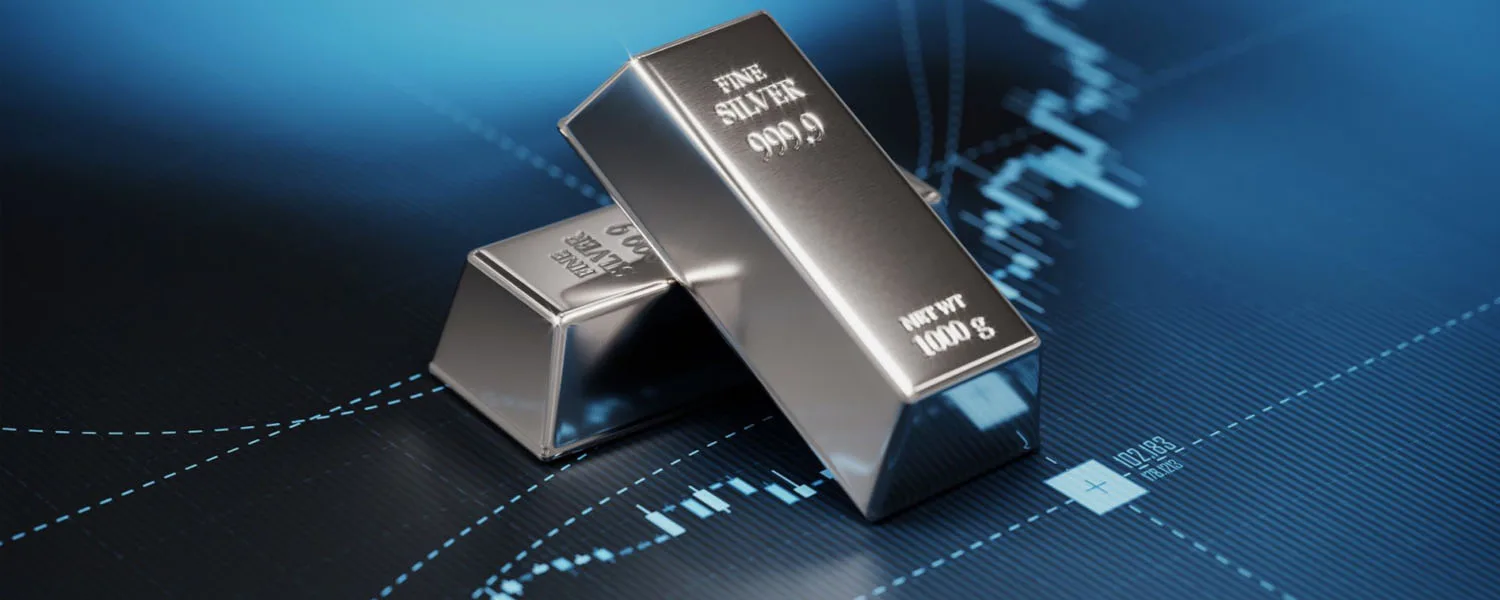
The price of silver is based on the spot market, which fluctuates daily based on global supply and demand. You can check the live price of silver per ounce or gram on reputable sites like Kitco or GoldPrice.org.
As of mid-2025, silver is trading in the range of $29 to $31 per ounce, but this can vary day to day. Factors that influence silver prices include:
- Economic conditions and inflation
- Industrial demand (especially in tech and solar)
- Investor activity in ETFs and commodities
- Strength of the U.S. dollar
Keep in mind: when you buy or sell silver, the actual buyback rate or retail price may differ from the spot price due to dealer premiums and refining costs.
Types of Silver You Can Buy or Sell
Silver comes in many forms. Each has its own resale value, premiums, and level of desirability:
1. Bullion Bars and Coins
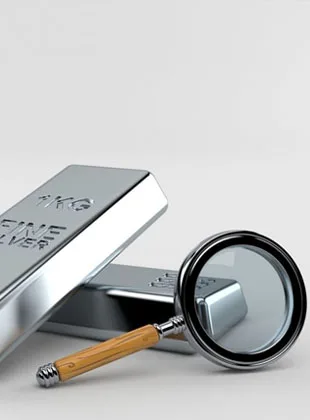
These are investment-grade silver items, usually stamped with purity and weight (like 1 oz .999 fine silver bars or rounds). Popular mints include:
- American Silver Eagles (U.S. Mint)
- Canadian Silver Maple Leafs
- Silver Britannias (UK)
- Generic silver rounds and bars
2. Sterling Silver Jewelry
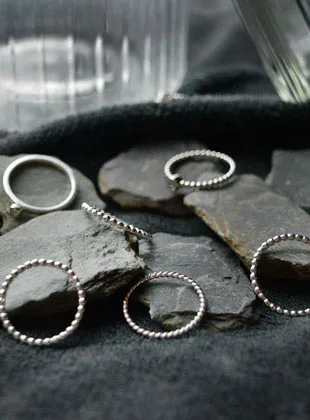
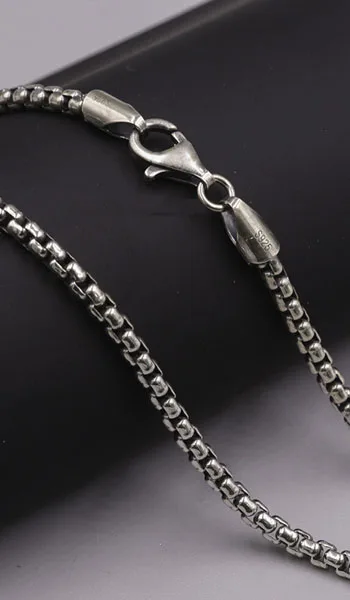
Sterling silver (marked .925) contains 92.5% pure silver. It’s common in rings, chains, and antique pieces. These often hold value both as scrap silver and for design/resale appeal.
3. Scrap Silver
Includes broken jewelry, old silverware, or anything with silver content that’s sold by weight. The value here is based on silver content, not artistic or collectible value.
4. Numismatic Coins
These are rare, collectible silver coins that may be worth far more than melt value due to age, rarity, and condition. Examples include Morgan Dollars or pre-1965 U.S. dimes and quarters.
5. Silver-Plated Items
Important: These have very little silver content and are often not valuable for resale. Always verify whether something is solid silver or just plated.
How to Know What Your Silver Is Worth
Before buying or selling silver, it’s essential to:
✅ Verify Purity:
Look for stamps like .999, .925, or “Sterling.” Use a magnet test – silver is non-magnetic – or get a professional acid test or XRF scan from a trusted buyer.
✅ Weigh It Accurately
Silver is priced by weight, so a digital scale measuring in grams or troy ounces is essential. Don’t forget to subtract the weight of any non-silver parts (e.g., stones or clasps).
✅ Know the Market Price
Always check the current silver spot price so you can estimate its value. Multiply the silver content by current market price to get a rough idea of what it’s worth.
Example:
- A sterling silver necklace weighing 50g
- 92.5% of 50g = 46.25g of pure silver
- At $1.00/g, the silver value is $46.25
Selling Silver: What to Expect
When you sell silver to a buyer, you’ll usually be paid a percentage of the melt value, depending on the form and quality. Here’s what affects the price:
- Purity and weight
- Current spot price
- Whether it’s bullion, jewelry, or scrap
- Dealer premiums or refining fees
Most buyers offer between 60% and 85% of melt value for scrap or jewelry, depending on demand, purity, and overhead. For bullion, you may receive closer to spot price minus a small fee, especially for recognizable bars or coins.
To get the best price:
- Shop around for quotes
- Avoid selling to “mail-in” services or pop-up events
- Work with a local, licensed dealer
- Ask if they charge refining or testing fees
Buying Silver: Tips to Avoid Overpaying
When investing in silver, whether for collection or security, keep these tips in mind:
✅ Buy Recognizable Products
Stick with major bullion brands or government-issued coins. They’re easier to resell and harder to counterfeit.
✅ Avoid Paying Huge Premiums
Some dealers charge a 30-50% markup on silver. Stick with dealers offering transparent pricing close to spot.
✅ Avoid Plated or Unmarked Items
Plated silver has almost no resale value. Ensure you’re getting real silver, not just silver-colored metal.
✅ Get a Receipt and Documentation
Always buy from reputable dealers who provide purchase receipts and verify purity.
Common Silver Scams to Watch Out For
Unfortunately, silver is a common target for fraud. Here are a few scams to avoid:
- Plated items sold as solid silver
- Fake “999” stamped bars made from base metal
- Counterfeit coins with incorrect weights or design details
- Exaggerated appraisals from sellers trying to justify high prices
Stick with trustworthy sources and be cautious when buying online from unknown individuals or platforms like Facebook Marketplace.
Should You Invest in Silver?
Silver can be a smart way to diversify your portfolio. It’s more affordable than gold, tangible, and can be used in both investment and practical applications. However, silver is more volatile in pricing and often comes with higher dealer premiums, especially in coin form.
According to The Silver Institute, global silver demand continues to grow due to industrial use and investor interest, especially in green technologies like solar energy.
Just remember: silver should complement your investment strategy – not replace diversified financial planning.
Final Thoughts: Make Smart Silver Moves
Whether you’re buying silver bars as an investment or selling broken jewelry for extra cash, knowing the market is your biggest advantage. Understand the types of silver, check the spot price, and always deal with professionals who value honesty and transparency.
If you want a free silver appraisal, have questions about current silver prices, or want to sell or buy confidently, contact us today. Our experienced staff is here to help guide you through every transaction.