

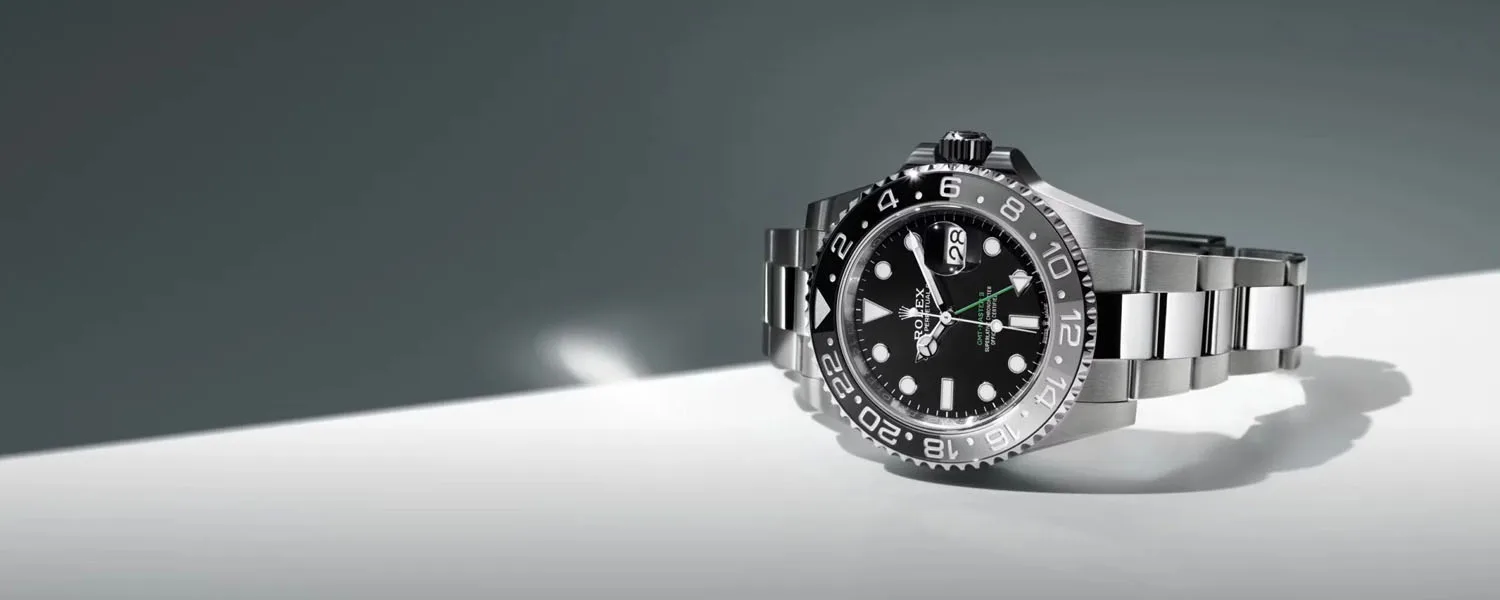
Luxury watches are more than just timepieces – they are symbols of craftsmanship, style, and lasting value. Brands like Rolex, Omega, Patek Philippe, and Cartier command strong demand in both the retail and resale markets. Unfortunately, this demand also makes luxury watches a prime target for counterfeiters.
At Houston Jewelry & Loan, we authenticate and appraise high-end watches every day. We’ve seen everything from stunning original pieces to surprisingly convincing fakes. If you own a luxury watch – or are thinking about buying or selling one – knowing how to spot a counterfeit is crucial.
Here’s a simple guide to help you identify the telltale signs of a fake luxury watch.
1. Weight and Feel
A genuine luxury watch feels substantial. High-end brands use premium materials such as solid gold, platinum, or surgical-grade stainless steel, which add noticeable weight.
Counterfeit watches often feel lighter because they use cheaper materials. If a watch that should feel hefty seems too light or flimsy, that’s a red flag.
2. Movement and Sweep
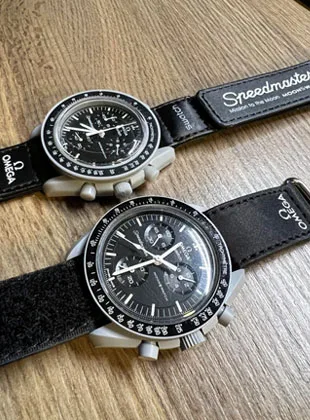
One of the most distinctive traits of a genuine mechanical luxury watch is the smooth sweep of the second hand. For example:
Rolex’s second hand appears to glide almost seamlessly around the dial – it moves at eight tiny ticks per second, creating the illusion of a fluid motion.
Omega’s mechanical models also display an elegant sweep.
In contrast, many fake watches use quartz movements that cause the second hand to “tick” distinctly once per second – an immediate giveaway.
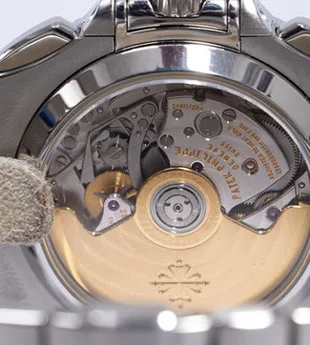
Even fake mechanical movements often lack the smoothness of an authentic Swiss movement. If possible, open the case back (or have an expert do it) to inspect the movement. Genuine watches have finely decorated, precise mechanical components, while fakes often reveal crude or generic movements.
3. Dial Details and Engravings
Luxury brands pride themselves on perfection. The dial of an authentic watch should have:
- Crisp, clean printing of all text and markers
- Perfect alignment of hour markers and hands
- High-quality luminous material (if applicable), evenly applied
- Correct logo placement and font
- Counterfeits often feature sloppy printing, misaligned elements, or incorrect logos.
Engravings on the case and clasp should also be sharp and precise. Poor-quality fakes often display uneven, shallow, or poorly spaced engravings.
4. Serial Numbers and Reference Numbers
Every genuine Rolex, Omega, or Patek Philippe watch has a unique serial number and model or reference number. These numbers are typically engraved in specific locations:
- Rolex: Between the lugs or on the rehaut (inner bezel)
- Omega: On the case back or lugs
- Patek Philippe: Varies by model, often on the case back
Check that these numbers match the accompanying paperwork. Fake watches often have incorrect or duplicated serial numbers, or none at all.
5. Papers and Packaging
While missing papers don’t automatically mean a watch is fake (older pieces may have lost their original documents), their presence helps establish authenticity.
Genuine luxury watches often come with:
- Certificate of authenticity or warranty card
- Branded presentation box
- Instruction manuals and service booklets
Be wary of packaging that looks cheap, generic, or inconsistent with the brand’s known packaging.
Why Professional Authentication Matters
Even skilled collectors can sometimes be fooled by high-quality counterfeit watches. That’s why we always recommend having any luxury watch professionally authenticated before buying, selling, or using it as collateral.
At Houston Jewelry & Loan, we have extensive experience authenticating Rolex, Omega, Patek Philippe, Audemars Piguet, Cartier, and other luxury brands. We inspect every detail – from movement to engravings – to provide a reliable evaluation.
Have a luxury watch you want to sell or use for a loan? Not sure if your watch is authentic?
Contact Houston Jewelry & Loan today for expert authentication, a professional appraisal, and an immediate cash offer.