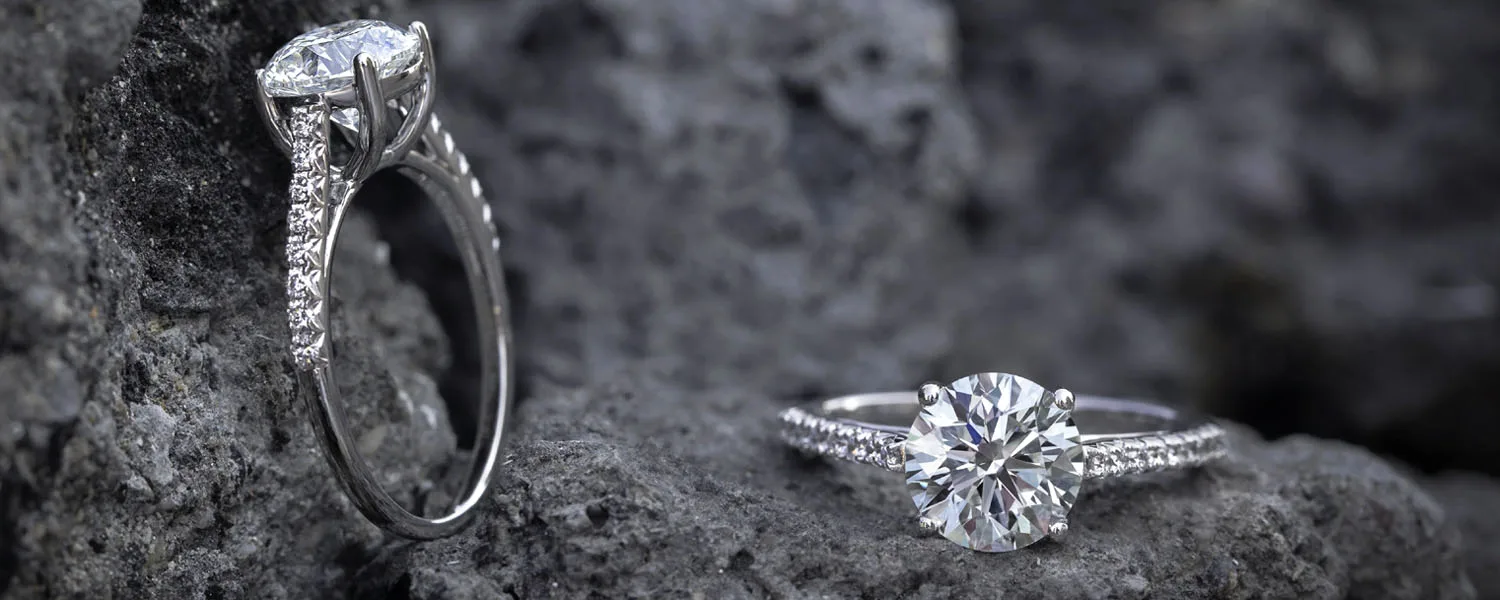
If you’re thinking of selling your diamond ring, loose diamond, or diamond jewelry, chances are you’re asking: “What can I sell my diamond for?” While diamonds are highly valued in the retail space, their resale value is not always what most people expect.
In this guide, we’ll explore how diamond value is calculated, what factors affect your payout, the role of cut types, and how to get the best possible offer when selling your diamond.
The Truth About Diamond Resale Value
One of the most misunderstood things about diamonds is their resale market behavior. Many buyers assume that diamonds appreciate in value like gold – but diamonds don’t have a fixed melt value or universal price. Instead, their resale value depends on:
- Quality of the diamond (the 4Cs)
- Market demand for your specific shape/size
- Brand or designer origin (if applicable)
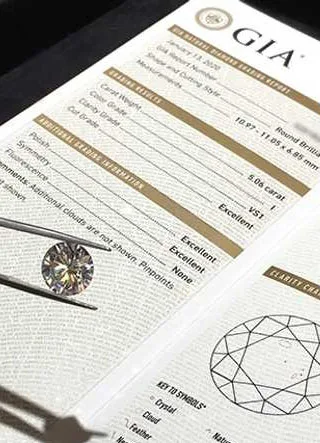
- Documentation (like a GIA certification)
- Where and how you sell it
As explained by GIA, there’s no single “price per carat” for diamonds – the value is influenced by nuanced combinations of shape, grade, and rarity.
How Diamond Buyers Determine Value
Professional diamond buyers assess your diamond based on:
✅ The 4Cs:
- Carat – the diamond’s weight
- Cut – the proportions and sparkle (distinct from shape)
- Color – whiteness on a D–Z scale
- Clarity – presence of internal or external flaws
Each of these factors can increase or decrease the resale value – and even small differences can significantly change what a buyer offers.
✅ Certification:
A diamond with a GIA, AGS, or IGI certificate will fetch more than an uncertified one. Certified diamonds have verified grades that protect both seller and buyer.
✅ Shape (Cut Type):
Some diamond shapes (commonly referred to as cut types) are more desirable and resell at stronger prices. Let’s explore those in more detail below.
Diamond Cut Types & Resale Value
Not all diamond cuts are equal in terms of market demand. Here are the most common shapes and how they typically perform on the resale market:
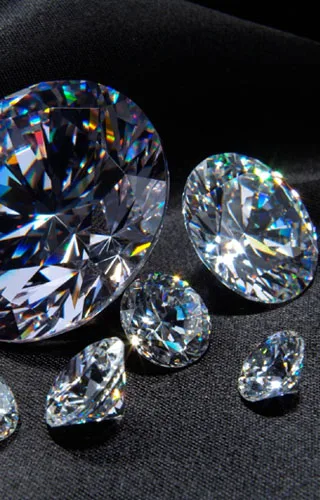
💎 Round Brilliant Cut
- Most popular and most valuable cut type
- Known for maximum sparkle due to 58 facets
- Commands the highest resale percentage
- High demand in both engagement rings and earrings
As noted by Rapaport, round diamonds consistently lead the global demand in resale and wholesale markets.
💎 Princess Cut
- Second most popular cut
- Square-shaped with strong brilliance
- Holds value well but typically resells at a lower rate than rounds
💎 Cushion Cut
- Soft, rounded corners with vintage appeal
- Very trendy in recent years
- Resale value can vary based on depth and light performance
💎 Oval Cut
- Appears larger than round diamonds of the same carat
- Increasing in popularity
- Resale value is strong but can fluctuate with trends
💎 Emerald Cut
- Step-cut style with a more subtle sparkle
- Popular among vintage and art deco styles
- Lower market demand compared to round or princess cuts, but higher value if high clarity and color are present
💎 Asscher Cut
- Similar to emerald but square-shaped
- Niche buyer interest, can be harder to resell
💎 Marquise, Pear, and Heart Cuts
- Unique and less commonly sought after
- Typically resell at lower percentages
- Good condition and symmetry can still attract the right buyer
💎 Radiant and Trillion Cuts
- Radiant combines brilliance of round with shape versatility
- Trillions are often used as side stones
- Resale value depends heavily on setting and size
Pro Tip: According to Jewelers Mutual, round and princess cut diamonds are the most liquid and fetch the highest resale offers in today’s market.
How Much Can You Expect to Get?
The resale value of a diamond is typically 20% to 60% of its original retail price, depending on:
- Cut, carat, color, clarity
- Certification
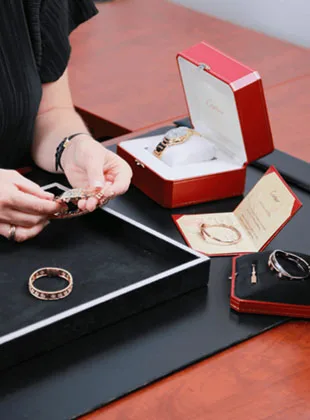
- Brand (e.g., Tiffany, Cartier may resell higher)
- Condition of the stone
- Market conditions
Here’s a general example:
Retail Price
$5,000
$10,000
Estimated Resale(Non-Branded)
$1,500 – $2,500
$3,000 – $6,000
Estimated Resale (Branded)
$2,000 – $3,500
$4,000 – $7,000
These ranges reflect realistic numbers in the secondary market, not “appraisal” value which is often inflated for insurance purposes.
Should I Sell My Diamond Loose or in the Setting?
Both options are possible – but selling the diamond loose often yields a better return, especially with certified stones. Settings (especially with small diamonds or lower-quality metals) may not significantly raise the overall offer unless:
- The setting is designer (e.g., Cartier, Tiffany, etc.)
- The metal is 18K gold or platinum
- The ring has additional diamond weight
You may choose to sell the stone separately and melt or resell the setting for scrap or design value.
Ways to Sell Your Diamond - And What to Watch For
🏪 Local Jewelry Buyers
- Offer in-person evaluations
- May pay more for GIA-certified diamonds
- Often the most transparent option
💻 Online Marketplaces (like WP Diamonds or TheRealReal)
- Can be convenient
- Require shipping and authentication process
- Offers may be slightly lower due to fees
🧾 Auction Houses or Consignment
- Best for rare, high-value, or branded diamonds
- Slower process, usually takes weeks or months
- Final price not guaranteed
⚠️ Avoid These
- Craigslist, Facebook Marketplace (high scam risk)
- Mail-in services without transparency
- Unlicensed “cash for gold” pop-ups
How to Maximize Your Diamond’s Resale Price
- Get it Graded – A GIA certificate adds credibility and value.
- Know the Cut Type – Round brilliant, princess, and oval diamonds often sell quickest.
- Clean and Present Well – Appearance matters; a polished diamond gets better offers.
- Get Multiple Quotes – Don’t accept the first offer; compare.
- Time the Market – Demand rises seasonally, especially around holidays and engagement season.
For more on diamond pricing tools, the RapNet Diamond Price List is considered the wholesale pricing benchmark used by most jewelers.
Final Thoughts
So, what can you sell your diamond for?
That depends on the quality of your diamond, its shape, certification, and current market demand. While diamonds don’t hold resale value the way gold does, you can still get a strong offer if you have a well-cut, desirable stone – especially one with GIA certification and popular characteristics.
The best way to find out is to work with a reputable diamond buyer who will walk you through the process transparently. Selling your diamond shouldn’t be confusing or disappointing – with the right knowledge and partner, you can turn your stone into real cash with confidence.