

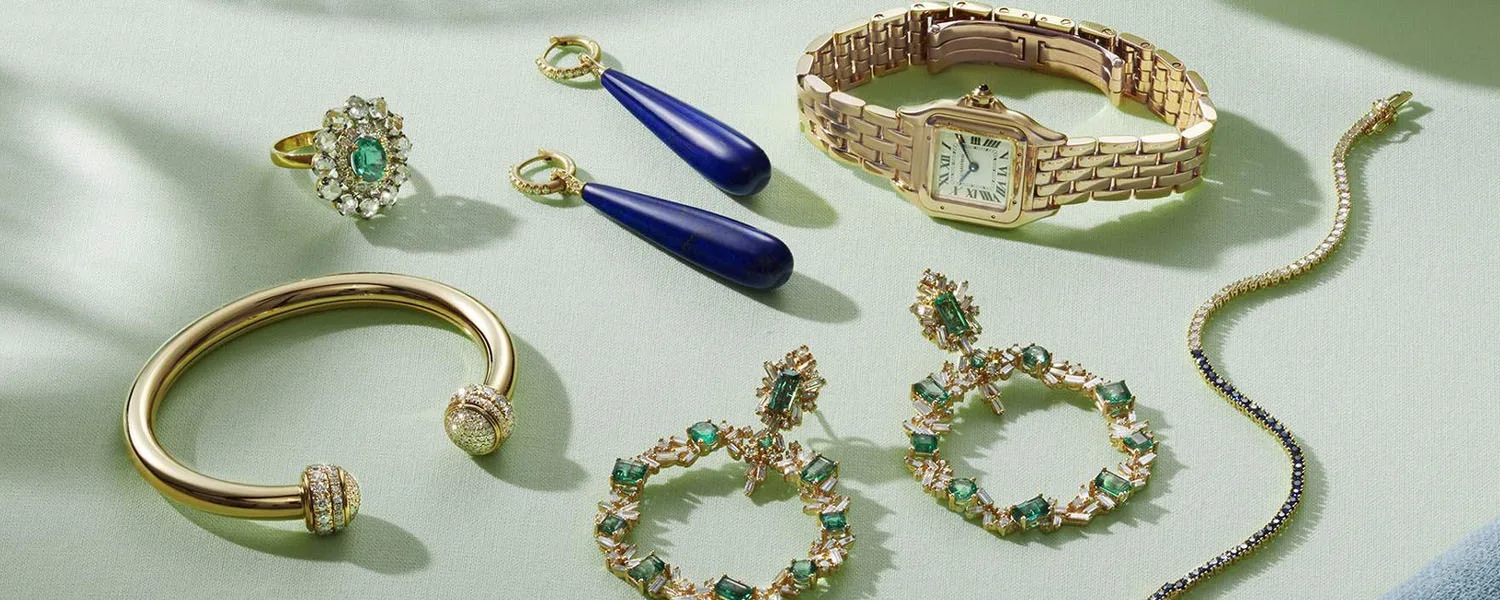
Buying fine jewelry is often driven by emotion – a romantic gift, a personal reward, or a family heirloom. But for many buyers, especially during times of inflation or economic uncertainty, the question comes up: Is jewelry actually a good investment?
The short answer: It can be – but only if you buy wisely. Jewelry can hold and even grow in value, but not every piece is a financial asset. In this guide, we’ll break down when jewelry is worth investing in, the factors that impact resale value, and the biggest do’s and don’ts when buying with your wallet in mind.
The Difference Between Jewelry as an Asset vs. Accessory
Before diving into the numbers, it’s important to understand the two sides of jewelry:
- Accessory: You buy it to wear, enjoy, or gift. Value is personal and emotional.
- Asset: You buy it expecting to retain or grow financial value.
Luxury jewelry can sometimes be both – beautiful to wear and valuable to own – but only if certain criteria are met.
Can Jewelry Appreciate in Value?
Yes, but selectively. Certain jewelry items can increase in value over time, especially those that meet the following conditions:
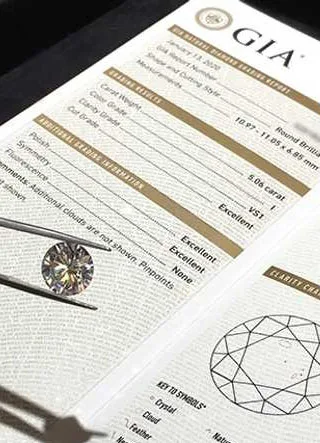
- Made with investment-grade materials (18K+ gold, platinum, GIA-certified diamonds, etc.)
- Designed by high-end brands like Cartier, Van Cleef & Arpels, Rolex (watches), Tiffany & Co.
- Limited edition, vintage, or antique pieces
- Properly maintained and kept in excellent condition
- Accompanied by documentation (certificates, receipts, appraisals)
According to Forbes, designer jewelry and rare vintage pieces often retain and increase in value due to scarcity, brand legacy, and rising gold/diamond prices.
However, not all jewelry is created equal – and many retail pieces lose value immediately after purchase.
The Harsh Truth About Retail Markups
Most new jewelry purchased from large retail chains comes with a markup of 100–300% above its intrinsic value. That means a $5,000 ring might only be worth $1,500 in gold and diamond weight.
As GQ Magazine points out, “The second you walk out of that store, the resale value drops dramatically – especially if the piece isn’t from a well-known luxury brand.”
Jewelry store margins cover marketing, branding, and in-store experience – not just materials and labor. Unless you’re buying from a wholesale source or a secondhand dealer, you’re likely overpaying for aesthetics, not investment.
Do's of Buying Jewelry as an Investment
If you’re looking to make smarter decisions with your jewelry purchases, follow these key do’s:
✅ Do Prioritize Material Value
Stick with 18K or 22K gold, platinum, and GIA-certified diamonds. These materials hold intrinsic value and are easier to resell.
✅ Do Buy from Trusted Sources
Only buy from dealers that provide clear documentation, transparent grading, and appraisals. Avoid tourist shops or impulse buys from online marketplaces.
✅ Do Consider Pre-Owned or Estate Jewelry
Pre-owned jewelry often skips retail markup and can be acquired closer to its actual value. Many serious collectors and investors shop estate pieces for this reason.
✅ Do Keep All Paperwork
Certificates, appraisals, original receipts, and branded packaging can significantly boost resale value – especially for designer or vintage pieces.
✅ Do Maintain and Store Properly
Regular cleanings, secure storage, and avoiding damage or resizing can help preserve long-term value.
Don’ts of Buying Jewelry as an Investment
On the flip side, avoid these common mistakes:
❌ Don’t Buy for Trendiness
Trendy designs (rose gold, certain gemstone cuts, etc.) may fall out of style and reduce resale demand.
❌ Don’t Trust “TV Discounts” or Travel Deals
Jewelry sold on cruises, in tourist traps, or via infomercials is often heavily marked up and not investment grade. Consumer Reports warns buyers to avoid these “too good to be true” offers.
❌ Don’t Assume Bigger Is Better
Size isn’t everything. A smaller diamond with higher clarity and cut grade may be far more valuable than a larger, poorly cut stone.
❌ Don’t Skip Independent Appraisals
Before spending thousands, get a second opinion from a qualified appraiser – ideally one not connected to the seller.
❌ Don’t Rely on Fake Appraisals
Be cautious of over-inflated appraisals given at the time of purchase. Many “retail appraisals” are designed to justify a high price, not reflect true market value.
What Jewelry Types Hold Value Best?
Here are some of the most investment-worthy categories of jewelry:
- Gold chains and bracelets (especially in 18K or 22K)
- GIA-certified diamond solitaire rings
- Luxury watches like Rolex, Patek Philippe, and Audemars Piguet
- Signed vintage jewelry from Van Cleef, Tiffany, or Cartier
- Natural-colored diamonds (pink, blue, yellow — if certified)
- Platinum engagement rings
On the other hand, custom jewelry, lightweight gold-plated items, lab-created diamonds, and low-karat pieces (10K or under) are generally poor investments.
Jewelry vs. Other Investments
Jewelry isn’t liquid like stocks or bonds. Selling it takes time, market knowledge, and often a willing buyer. However, it offers unique advantages:
- Tangible asset you can wear and enjoy
- Inflation hedge, especially with gold-based items
- Privacy – not tied to banks or digital ledgers
- Emotional and heirloom value
Still, it should not replace traditional investments, but rather complement them as a physical store of value.
Final Thoughts: Jewelry as a Smart Buy - If Done Right
So, is jewelry a good investment?
Yes, if you approach it wisely. Focus on high-purity gold, certified diamonds, vintage luxury brands, and resale-conscious buying habits. Avoid emotional spending, flashy promotions, or anything that doesn’t come with proper documentation.
At the end of the day, great jewelry should bring you joy first – and possibly profit later.
If you’re looking for guidance, professional evaluations, or help buying and selling smart, contact us today to speak with one of our experienced jewelry professionals.