


If you’re thinking about selling gold jewelry, coins, or scrap, the first question that comes to mind is: “Am I getting a fair price?” With gold prices at historic highs, it’s more important than ever to understand what your gold is worth – and how much a buyer should be paying you.
In this guide, we’ll break down how gold value is calculated, what percentage buyers typically offer, and how to ensure you get the best possible deal when selling your gold.
Current Gold Market Price (Spot Price)
Gold is priced globally using the spot price, which represents the current market value of one troy ounce of pure (24K) gold. The spot price fluctuates throughout the day based on economic factors, demand, inflation, and global events.
As of today’s live spot price, gold is trading around $3,300 per ounce, which equals approximately $106 per gram. This is the baseline for calculating the value of your gold.
You can track the daily gold spot price using trusted financial sources like:
- Kitco Live Gold Price
- GoldPrice.org
- Investing.com Gold Futures
Note: The spot price is for pure 24K gold. If your gold is 10K, 14K, or 18K, the value is adjusted based on purity.
How to Calculate What Your Gold Is Worth
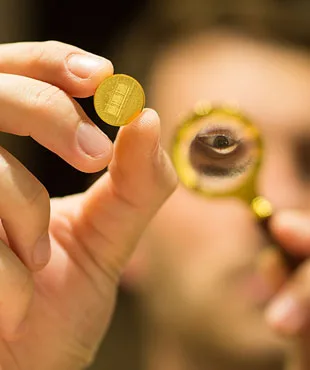
To estimate the value of your gold, follow these three steps:
1. Determine the Karat Purity
Gold jewelry is often marked with a karat stamp:
- 10K = 41.7% gold
- 14K = 58.3% gold
- 18K = 75% gold
- 22K = 91.6% gold
- 24K = 99.9% gold (pure gold)
You can usually find this stamped on the inside of a ring or clasp of a chain. If it’s unmarked, a professional test (acid, electronic, or XRF) is needed.
2. Weigh Your Gold
Use a digital scale that reads in grams. One troy ounce = 31.1 grams.
3. Calculate Pure Gold Weight
Multiply the total weight by the purity percentage.
Example:
14K gold ring weighing 10g
= 10g × 58.3%
= 5.83g of pure gold
Then, multiply by the current spot price per gram:
5.83g × $106 = $617.98 melt value
This is the intrinsic value of your gold, but it’s not what most buyers will offer.
How Much Do Gold Buyers Typically Pay?
Most gold buyers do not pay 100% of the melt value. That’s because they need to cover business costs, refining fees, and profit margins. However, what you receive depends largely on the type of buyer:
💰 Pawn Shops and Mail-In Services
- Typically pay 40% to 60% of melt value
- Quick cash, but not great payouts
- May charge hidden fees or offer lowball prices
💰 Independent Gold Buyers or Jewelry Stores
- Usually offer 60% to 80% of melt value
- Better if you shop around and compare quotes
- Some specialize in gold and offer closer to real value
💰 Reputable Bullion Dealers or Specialty Gold Buyers
- May pay up to 85–90% for investment-grade gold or large lots
- Especially competitive on coins or bullion bars
- Lower margins due to volume and expertise
💡 According to Wise Gold Guide, sellers should expect no less than 60% of melt value and ideally push for 75% or higher, especially when working with gold-focused buyers.
Factors That Affect Your Payout
Several things influence how much a gold buyer will offer you:
🔹 Gold Purity and Weight
The higher the karat and heavier the piece, the more value it holds. 18K and 22K pieces typically command better payouts per gram than 10K or 14K.
🔹 Current Market Conditions
Gold prices can fluctuate daily. Check spot prices here before accepting any offer.
🔹 Form of Gold
- Jewelry: Priced based on melt value and style. Rare or designer pieces might sell for more.
- Coins: Often retain numismatic or collector value beyond melt.
- Scrap: Broken or damaged gold is typically bought for melt value only.
🔹 Buyer Type
Gold specialists and dedicated buyers will pay more than general pawn shops or “we buy gold” pop-ups.

Red Flags and Scams to Avoid
Unfortunately, not every gold buyer is honest. Here’s what to watch out for:
- No scale in sight: Reputable buyers weigh your gold in front of you.
- No explanation of karat or pricing: You deserve transparency.
- Lump-sum offers without breakdowns: Always ask for the per-gram rate.
- Mail-in services with no guarantee: Many complaints reported in BBB warnings about bait-and-switch tactics.
- “High retail appraisals”: These often mislead you into thinking the gold is worth more than its actual melt value.
How to Get the Best Price for Your Gold
To maximize your payout:
- Know your gold: Verify karat and weight before visiting a buyer
- Track the market: Sell when gold prices are high
- Get multiple quotes: Don’t accept the first offer
- Ask for the per-gram payout: Compare offers in terms of $/g
- Sell to a specialist: The more gold-focused the business, the better your odds
Sites like GoldCalc.com offer easy calculators to estimate your gold’s value before visiting any buyer.
Final Thoughts
So, how much should a gold buyer pay you?
Ideally, you should be getting at least 70% of your gold’s melt value – and up to 85-90% if working with a specialized, trustworthy buyer. The key is doing your homework: know the karat, weight, and current spot price, then compare offers from multiple sources.
Selling gold shouldn’t feel like a gamble. With a little knowledge, you can confidently turn your unwanted gold into cash – and walk away knowing you got a fair deal.
Contact Houston Jewelry & Loan today for a professional appraisal and an immediate offer.