Why SI1 and SI2 Diamonds Are a Great Value

Why Round Cut Diamonds Hold the Most Value

The round brilliant is the gold standard of diamond shapes. It consistently commands higher prices per carat, stronger resale value, and broader buyer demand than fancy shapes. Below, we break down the real reasons round cuts outperform so you can buy, upgrade, or sell with confidence.

Why Round Cut Diamonds Hold the Most Value?

1) Maximum Light Return = Maximum Desire

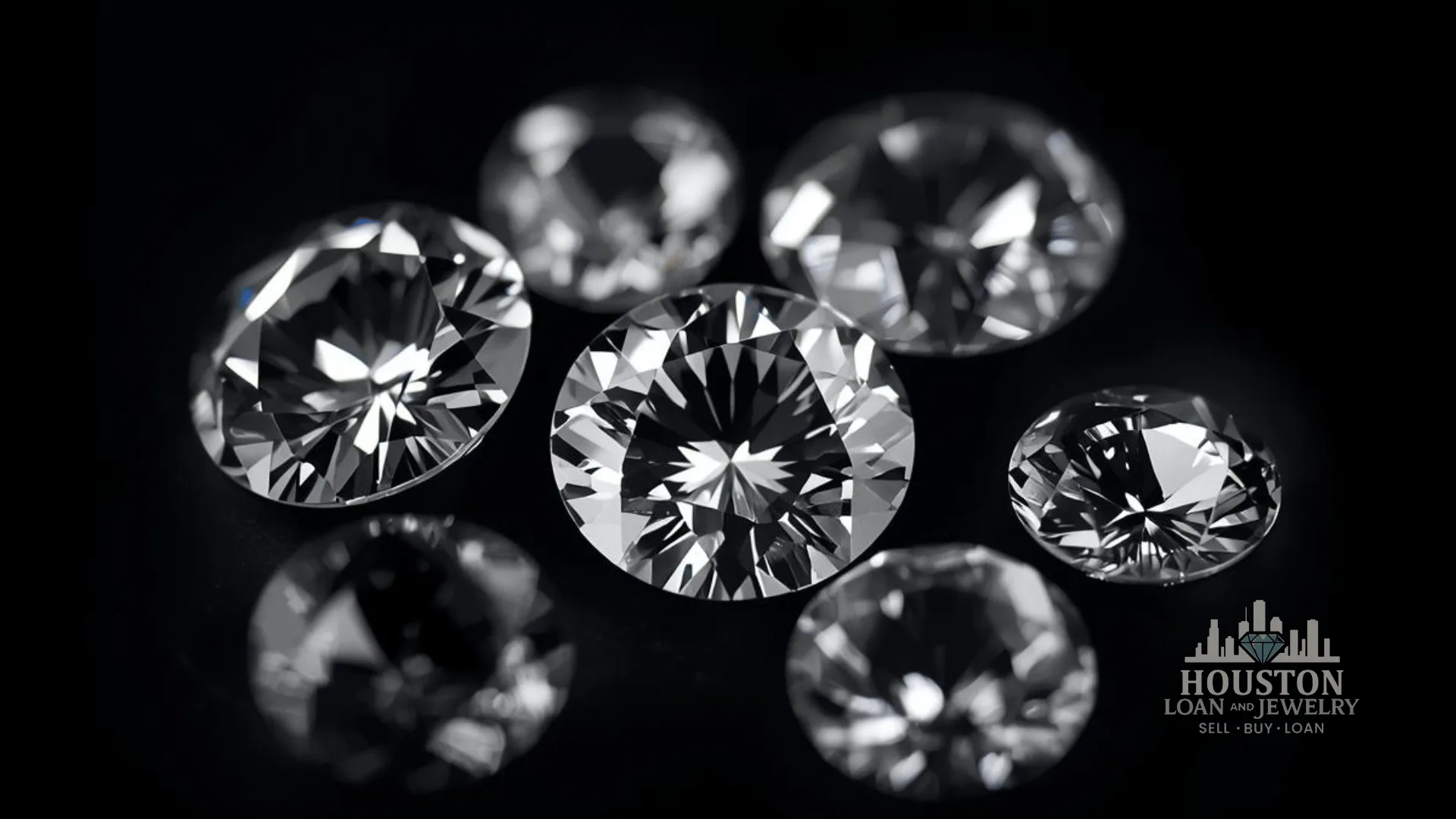
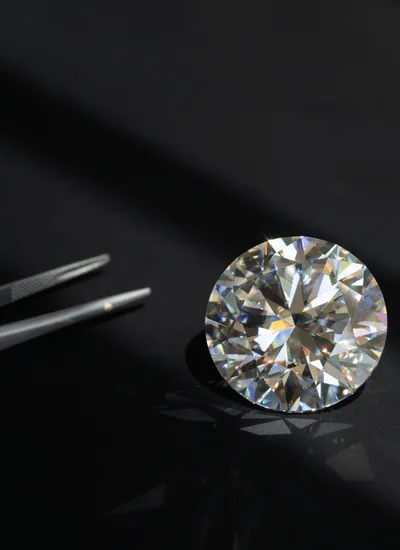
Round brilliants are engineered for top-tier light performance. With 57–58 facets and optimized angles, a well-cut round returns more brightness, fire, and scintillation than any other shape. That “sparkle premium” makes rounds easier to sell at strong prices, both retail and secondary market.

Key takeaway: In diamonds, cut quality drives beauty, and beauty drives value. A well-cut round outshines—and outprices—equivalently graded fancy shapes.

2) Deep, Liquid Market Demand

Rounds represent the majority of global diamond sales. Jewelers stock them, bridal customers ask for them, and labs certify enormous volumes—creating a high-liquidity market. When you go to sell, more buyers are ready with comps and appetite, which lifts offers and tightens spreads.

Why it matters: Greater buyer pools mean faster sales and better resale. Fancy shapes can sit; rounds move.

3) Cut Grading is Clearer and Stricter

Labs (e.g., GIA/IGI) have the most mature, standardized cut grading for round brilliants (Excellent–Poor), including symmetry and polish. That standardization builds trust and compresses uncertainty for buyers, who bid more confidently for rounds with Excellent/Excellent/Excellent and ideal proportions.

Tip: For investment-grade rounds, prioritize cut first, then color and clarity. “Excellent cut” with strong symmetry/polish consistently protects value.

4) Rounds Hide Color and Inclusions Better

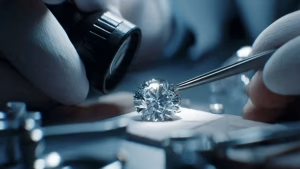
Shape affects how you perceive the 4Cs. Thanks to facet patterning and intense return, rounds often mask color and small inclusions better than step-cut shapes (emerald/asscher). Translation: you can select balanced grades (e.g., G–H color, VS2–SI1 clarity with clean plots) and still get top visual performance—excellent value density that buyers recognize.

5) Settings Are Easier, Safer, and Cheaper

Rounds work in nearly every setting—solitaire, halo, three-stone, pavé, bezel—and standard head sizes are widely available. Jewelers face lower mounting risk and cost, and repairs or prong swaps are straightforward. Lower aftercare friction + broad style flexibility = market preference, which props up long-term value.

6) Price Reporting & Comps Are Robust

Because round brilliants dominate, dealers track them with tight pricing matrices and transparent comps by carat buckets (0.90–0.99, 1.00–1.49, 1.50–1.99, 2.00+). That transparency benefits sellers: buyers can benchmark quickly and stretch for clean, well-cut stones.

Seller tip: If you’re near a carat threshold, rounds deliver the strongest psychological lift at 1.00, 1.50, 2.00 ct, etc.—especially with Excellent cut and eye-clean clarity.

How to Protect Value When Buying a Round Brilliant

  • Prioritize Cut: Aim for Excellent cut, Excellent symmetry/polish; confirm strong light performance.

  • Smart Grades: For most buyers, G–H color and VS2–SI1 clarity (eye clean) hit value sweet spots.

  • Ask for the Details: Table %, depth %, crown/pavilion angles, and fluorescence notes.

  • Certification: Choose GIA (or IGI for some markets) to anchor price and resale confidence.

  • Presentation: Keep box, certificate, receipts; they help when you sell or appraise.


Sell or Upgrade Your Round Diamond in Houston Free Appraisal, Same-Day Options

Get a free, transparent valuation from experts who price by cut quality, certification, and real market demand. Prefer to keep your stone? Choose a low-interest collateral loan with no credit check and redeem when you’re ready. Visit Houston Jewelry & Loan to compare a cash sale vs. pawn and leave with the best plan for you.

Round Cut Diamonds Hold the Most Value

Frequently Asked Questions

Q1: Do round cut diamonds always cost more per carat
Generally, yes—rounds carry a premium because of demand, cutting loss, and superior light return. The premium is most visible at popular carat thresholds with Excellent cut stones.

Q2: What grades best protect resale value
Focus on Excellent cut, G–H color, VS2–SI1 eye-clean clarity, and GIA certification. Fluorescence should be None–Faint–Medium unless it visibly benefits the stone.

Q3: Will a branded round outperform a non-branded stone
Branded “ideal” rounds can fetch higher prices if the cut precision is objectively superior and well documented. However, a non-branded GIA Excellent with top optics can perform and resell extremely well.

Q4: Do rounds show color less than fancy shapes
Often yes. Their facet design and light return help mask warmth, letting you drop a grade vs. step cuts while keeping a white face-up look.

Q5: I’m selling a mounted round—should I remove it first
Not necessarily. Ask buyers for separate offers: one for the center stone by specs/cert, and one for the setting by gold weight and accent stones. Choose whichever net is higher.

From optical performance and grading transparency to market liquidity and setting flexibility, round cuts check every box that matters for value. If you want a diamond that holds desirability across time and trends, the round brilliant remains the most reliable choice both to own and to resell.

Contact Houston Loan & Jewelry today for a professional appraisal and an immediate offer.

Questions about your loan?

📍 Visit us at 1801 Durham Drive, STE 7 Houston, Texas 77007
📞 Call us at (713) 766-2919
📧 Email: houstonjewelryloan@gmail.com

We’re here to help you get the cash you need—without the stress.

Scroll to Top