Do Pawn Shops Buy Gold? How to Get the Best Payout in 2026
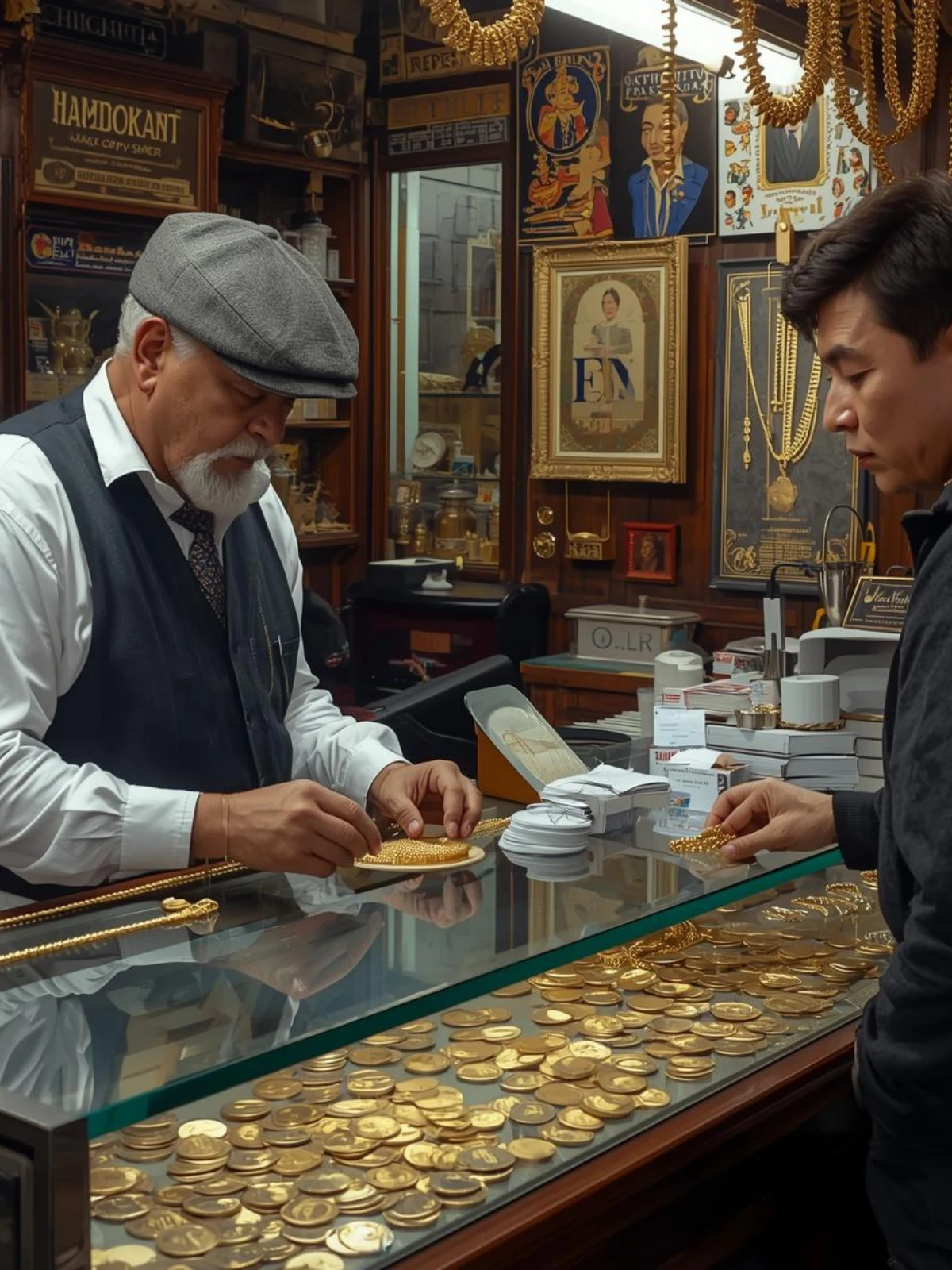
If you’ve ever wondered, “Do Pawn Shops Buy Gold?”, the answer is a resounding yes. In fact, gold is the most universally accepted collateral in the pawn industry. However, there is a massive difference between walking out with a few dollars and walking out with the true market value of your items.
With gold prices reaching record territory in 2026, your jewelry box might be a gold mine. Here is everything you need to know to navigate the process like a pro.
1. Understanding the Payout: Scrap vs. Retail
Most people assume a pawn shop will pay the “Spot Price” (the current market price of pure gold). In reality, pawn shops typically pay between 60% and 90% of the “melt value.”
Scrap Gold: If your jewelry is broken or outdated, it’s valued strictly by its weight and purity (karat).
Finished Jewelry: If you have a designer piece or something in high demand, a Luxury Pawn Shop may pay a premium above the scrap value because they can resell it as a finished piece.
2. The Appraisal Process: What Happens Behind the Counter?
When you bring your gold in, the pawnbroker will perform a few key tests:
The Magnet Test: Real gold is not magnetic. If it sticks, it’s plated or fake.
The Acid/XRF Test: To determine the exact karat (10k, 14k, 18k, or 24k).
Precision Weighing: Gold is measured in grams or pennyweights (dwt). Always ask the broker to show you the scale so you can see the weight for yourself.
Sell vs. Pawn: Which is Better for You?
The core difference between these two paths is ownership and payout percentage. Here is a deeper look at which option aligns with your goals:
Option A: Selling Outright (The “High-Payout” Path)
If you have no emotional connection to the piece—like a broken chain, a single earring, or jewelry from a past relationship—selling is your best move.
Maximum Cash: When you sell, the buyer isn’t holding the item as a “risk.” Therefore, they can offer you a higher percentage of the gold’s Melt Value, often between 75% to 95% depending on the shop.
Finality: There are no monthly interest payments or deadlines to worry about.Once the transaction is done, the cash is yours to keep, and the responsibility for the item is gone.
Market Timing: In 2026, selling allows you to “lock in” current record-high gold prices immediately.
Option B: Pawning / Collateral Loan (The “Safety Net” Path)
This is the only choice for family heirlooms or pieces with high sentimental value. You are essentially using your gold as your own “bank.”
Retain Ownership: You get the cash you need today without losing your gold forever.Once you repay the loan plus interest (which typically ranges from 3% to 10% monthly depending on state regulations), your jewelry is returned to you.
No Credit Impact: Unlike a bank loan, a pawn loan is “non-recourse.” This means there are no credit checks to apply, and if you can’t pay it back, your credit score isn’t harmed—the shop simply keeps the gold to cover the debt.
Flexible Terms: Most shops offer 30-to-90-day terms, with the option to “renew” the loan by paying just the interest, giving you more time to get your finances in order.
4. How to Maximize Your Return
To ensure you aren’t leaving money on the table, follow the “Preparation Protocol”:
Check the Daily Spot Price: Gold prices fluctuate by the minute. Check a live tracker before you walk into the shop.
Bring Documentation: If you have a Professional Jewelry Appraisal or original receipts, bring them. It proves authenticity and can bump up your offer.
Clean Your Gold: While most shops buy “as is,” a clean, sparkling piece has more “eye appeal,” which can subtly influence the negotiation in your favor.
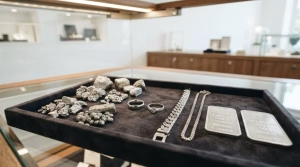
A critical part of the jewelry loan process is the side-by-side comparison of your items against market standards. A professional lender doesn’t just provide a quote; they use specialized tools to show you the “why” behind your loan offer.
This transparency is essential for a professional valuation. By comparing your piece directly against reference standards, you can clearly see the differences in quality and craftsmanship that dictate the loan amount.
Understanding Condition & Craftsmanship: Professional inspection allows you to see the hallmark authenticity, metal purity, and physical durability of your jewelry in real-time.
Visual Proof of Value: A professional appraisal demonstrates how the specific characteristics and current condition of your piece influence the final loan-to-value ratio.
Authentication: This process confirms the technical specifications of your assets, ensuring that the offer is fair, accurate, and based on the actual physical state of your jewelry.
By seeing these quality factors side-by-side, you gain a transparent understanding of the valuation, ensuring the loan offer is fair and based on visual proof rather than guesswork.
Pro Tip: If you choose to pawn, ask for a “Pawn Ticket” and keep it in a safe place. This is your legal claim to your jewelry. If you are looking for Immediate Cash for Gold but want to keep the piece, ensure the shop uses GIA-standard testing so you aren’t under-quoted on your collateral.
Free Appraisal & Side-By-Side Comparisons
Use your assets wisely! You should never feel pressured to sell the jewelry you love just because you need liquidity. Visit a professional for a cash-based, no-credit inquiry loan and get the funding you need without selling the pieces you love.
Ready to see what your item is worth? Visit us today for a fast appraisal and leave with cash or a secure pawn ticketwhichever suits your goals.
FAQ: Selling Gold to Pawn Shops
Q: Will a pawn shop buy gold that doesn’t have a hallmark (stamp)?A: Yes. While a “14K” stamp makes things easier, a Certified Diamond Buyer or reputable pawn shop has the tools (like X-ray fluorescence) to verify the gold content even without a stamp.
Q: Do I need an ID to sell my gold?A: Yes. By law, pawn shops are required to verify the identity of anyone selling or pawning items to prevent the trade of stolen goods.
Q: Is it better to sell to a pawn shop or a “Cash for Gold” mail-in service?A: Pawn shops are generally better for Immediate Cash for Gold. You get paid instantly and can negotiate face-to-face, whereas mail-in services can take days and often offer lower “take it or leave it” prices.
Don’t settle for guesswork. Visit us today for a Free Professional Appraisal and see the difference a side-by-side comparison makes. Whether you need a short-term bridge loan or a long-term financial solution, our experts are here to help you get the best market value for your jewelry.