Inherited Jewelry: Should You Keep It, Sell It, or Reappraise It?
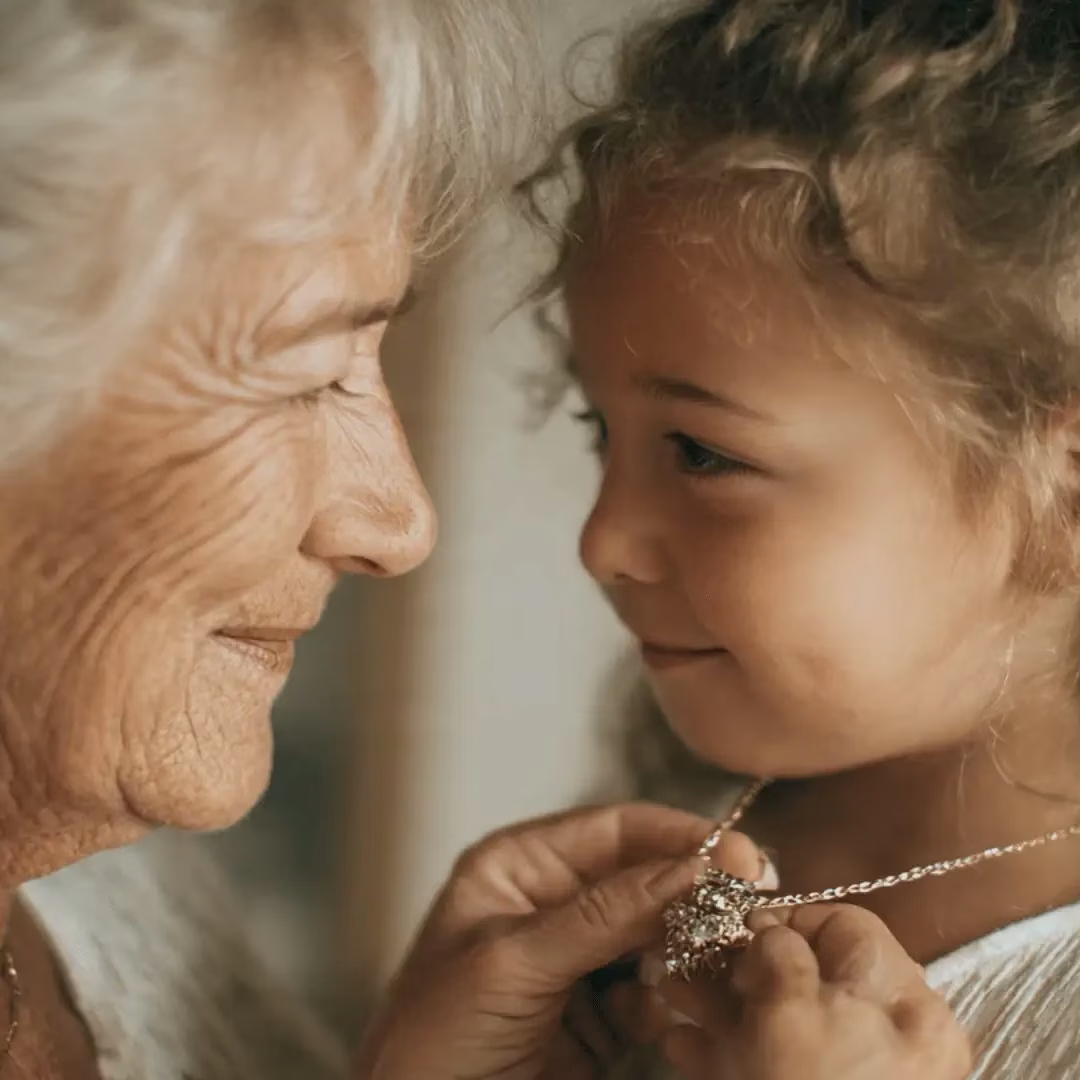
Receiving inherited jewelry can be both meaningful and overwhelming. Whether it’s a vintage diamond ring, a gold chain, or a luxury watch, you’re left with an important question: what should you do with it?
In Houston, many people search for ways to sell gold Houstonor understand the true value of inherited pieces before making a decision. The right choice depends on emotional value, market conditions, and the actual worth of the item.
This guide breaks down when to keep, sell, or reappraise inherited jewelry so you can make a confident, informed decision.
1. Understand What You Actually Inherited
Before deciding anything, you need to know what you have. Jewelry value isn’t just about appearance—it’s based on materials, craftsmanship, and market demand.
Key factors include:
Gold purity (10k, 14k, 18k, 24k)
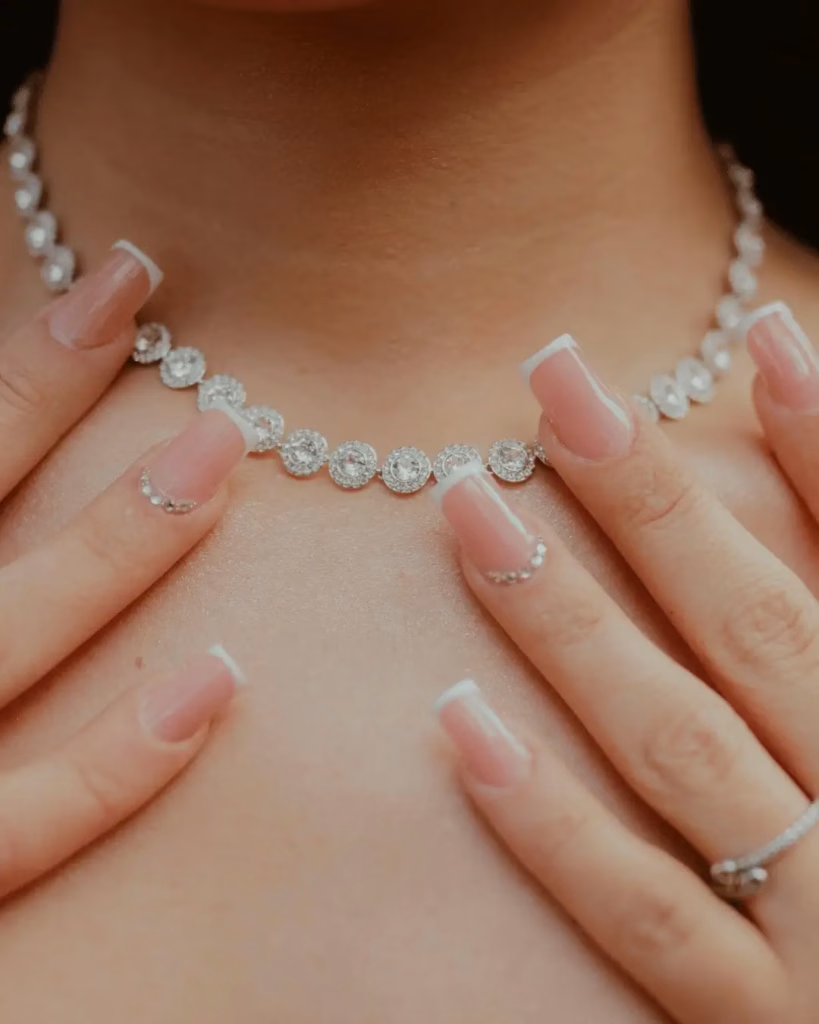
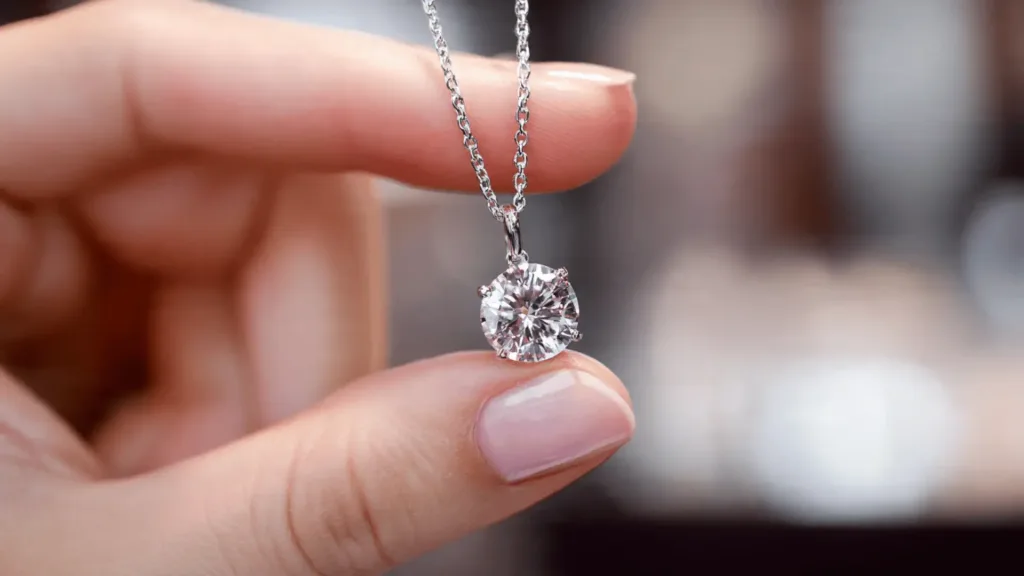
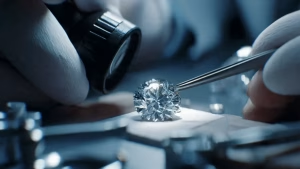
Diamond quality (cut, color, clarity, carat)
Brand recognition (Cartier, Tiffany, Rolex, etc.)
Condition and wear
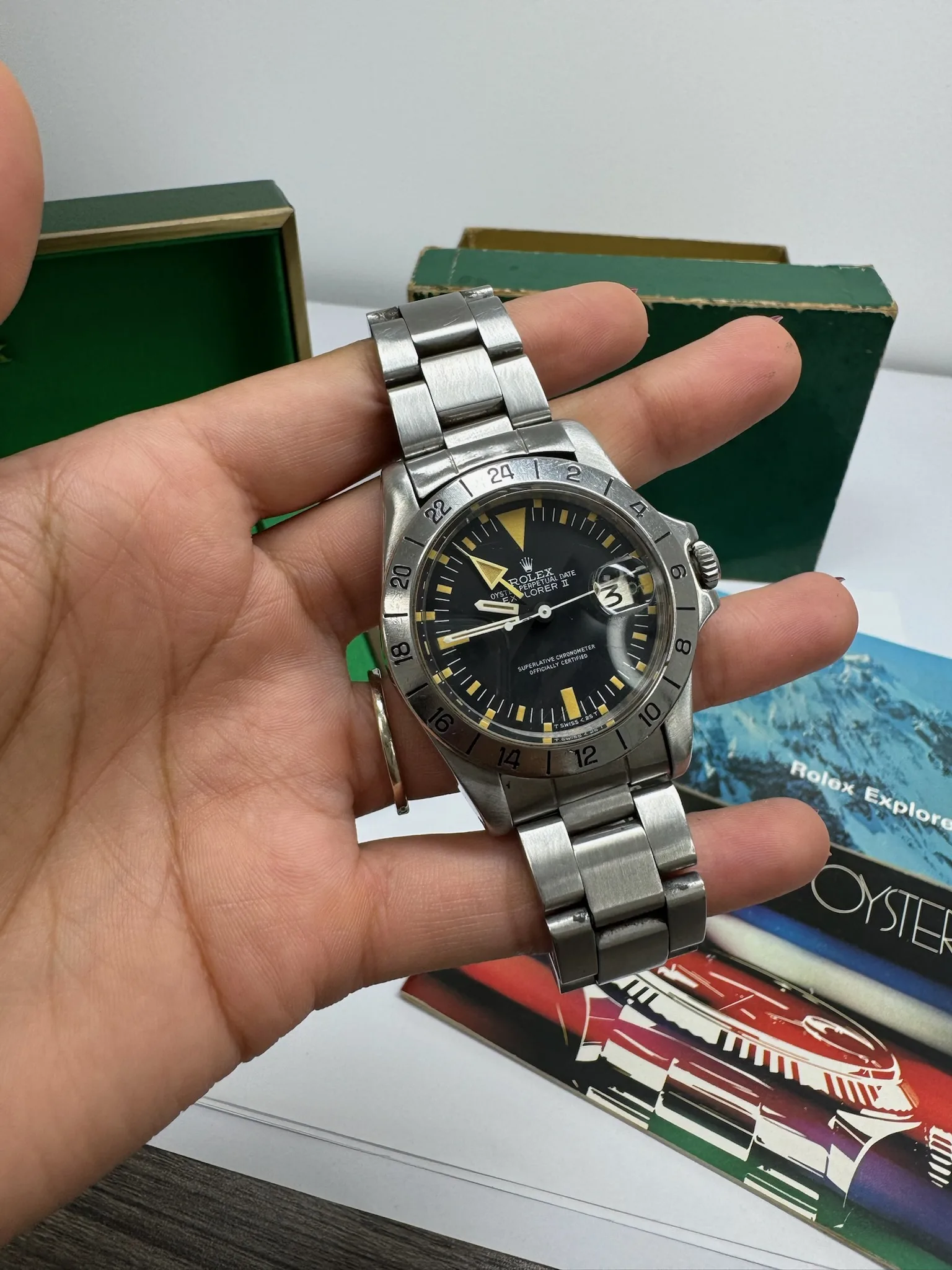
For example, a plain gold bracelet may be valued mainly for melt price, while a branded watch could command a premium from a Rolex buyer Houston.
👉 Pro tip: Don’t rely on assumptions—many people underestimate or overestimate inherited jewelry.
2. When It Makes Sense to Keep Inherited Jewelry
Keeping jewelry is often the right choice when sentimental value outweighs financial gain.
You may want to keep it if:
It has strong family or emotional significance
It’s a rare or heirloom-quality piece
You plan to pass it down to future generations
It can be restyled into something you’ll actually wear
In Houston, jewelers can redesign older pieces into modern styles, preserving sentimental value while making them practical.
However, keeping everything “just because” can lead to unused assets sitting in a drawer. That’s where evaluation becomes important.
When Selling Is the Smarter Financial Move
Deciding to part with jewelry or bullion is rarely just a transaction it’s a financial strategy. To ensure you aren’t leaving money on the table, it’s essential to understand that professional buyers don’t just “guess” a price; they follow a standardized valuation framework.
The Baseline: The Melt Value Formula
Most buyers calculate a baseline offer, often referred to as the melt value, using a transparent mathematical approach:
Value = Spot Price X Purity X Weight
Spot Price: The current market price for raw precious metals (Gold, Silver, Platinum). You can track real-time fluctuations on platforms like Kitco.
Purity: The percentage of precious metal in your item (e.g., 14k gold is approximately 58.3% pure).
Weight: Usually measured in grams or troy ounces.
Factors That Add a “Premium”
While the formula above provides the “floor” price, your items may be worth significantly more if they possess intrinsic value beyond the metal content. Look for these value-adders:
Designer & Heritage Brands: Pieces from storied houses like Tiffany & Co., Cartier, or Van Cleef & Arpels command a brand premium that far exceeds their weight in gold.
Certified Gemstones: A loose diamond’s value is speculative until it’s backed by a reputable lab. A GIA (Gemological Institute of America) report acts as a financial passport for your stone, verifying the “4 Cs” and increasing buyer confidence.
Market Desirability: Collectibility and “era” matter. For example, Art Deco or Victorian-era pieces often sell for higher prices to specialized estate dealers than to standard gold buyers.
Pro-Tip: The “Rule of Three”
The jewelry secondary market can be fragmented. A local pawn shop, an online gold refiner, and a specialized auction house may give you vastly different numbers for the exact same necklace.
👉 Essential Step: Always secure at least three independent quotes. This creates a competitive environment and ensures you aren’t settling for a “lowball” offer based solely on scrap value when you might have a high-value vintage piece.
4. Why Reappraisal Is Often the Best First Step
Many inherited pieces were appraised years—or decades—ago. Markets change, and so does value.
A professional reappraisal helps you:
Determine current market value
Separate insurance value vs resale value
Identify hidden high-value items
Make better decisions about selling or keeping
Look for buyers in Houston who offer:
On-the-spot testing (XRF or acid testing)
Transparent evaluations done in front of you
No-obligation quotes
If you’re unsure, starting with a pawn loan Houston can also give you short-term cash without permanently giving up the item.
5. How to Decide: Keep, Sell, or Loan
Here’s a simple decision framework:
Keep it if:
It has strong sentimental or family significance you can’t replace
You’ll actually wear or repurpose the piece
It’s a timeless or heirloom-quality item that could appreciate or be passed down
Tip: If you love the meaning but not the style, consider redesigning it instead of letting it sit unused.
Sell it if:
You have little emotional attachment to the piece
You want immediate cash for bills, savings, or investment
The item is outdated, broken, or unused
Gold or diamond market prices are strong
Selling is often the best way to unlock value from jewelry that would otherwise stay in a drawer.
Loan it if:
You need short-term cash but don’t want to lose ownership
The item has sentimental value, but you need liquidity now
You’re still deciding whether to keep or sell
A pawn loan lets you use your jewelry as collateral and reclaim it later.
Original boxes or receipts (for watches or designer items)
Any previous appraisals
Documentation can significantly increase value—especially for diamonds and luxury watches.
FAQ: Inherited Jewelry Decisions
Where can I sell inherited jewelry near me in Houston?
Look for a trusted local buyer who specializes in gold, diamonds, and watches. The best options offer in-person evaluations, transparent testing (XRF/acid), and pricing based on current market rates not estimates.
Can I sell a Rolex without papers in Houston?
Yes. A Rolex can still be sold without box or papers, but having them may increase value. Buyers will base offers on model, condition, and market demand.
Is broken inherited jewelry worth anything?
Yes. Gold and platinum have melt value, and diamonds can often be resold. Even damaged pieces can still bring cash.
How do I know if my inherited diamond is valuable?
Value is based on the 4 Cs: cut, color, clarity, and carat weight. A GIA certificate helps, but buyers can still evaluate diamonds without it.
Inherited jewelry isn’t just about value—it’s about making the right decision for your situation. Whether you choose to keep a meaningful heirloom, sell for immediate cash, or get a professional reappraisal, understanding your options is key.
If you’re in Houston or nearby areas like Katy, Sugar Land, or The Woodlands, the best next step is a no-pressure, in-person evaluation.