
How Pawn Shops Value Items for Loans When you bring something to a pawn shop for a short-term loan, the staff has to answer one question fast: what can this item realistically sell for if the loan isn’t repaid? Your loan offer is then set as a percentage of that resale value. Below is a clear, insider-style walkthrough of how valuation works for popular categories—gold and jewelry, diamonds, luxury watches, coins and bullion, tools/electronics, and more—so you know what to expect and how to prepare.
The Big Picture: Loan-to-Value (LTV)
Most pawn loans are based on Loan-to-Value (LTV), a simple ratio:
Loan Offer = (Resale Value × Shop’s LTV Policy)
Every shop has an LTV range that reflects risk, demand, and carrying costs. Higher-demand items in excellent condition with easy authentication often get higher LTVs. Items with complicated authentication, soft demand, or high volatility tend to get lower LTVs. Your goal is to help the shop verify value and reduce risk—which usually bumps your offer.
Gold & Precious Metals: Spot × Purity × Weight
For gold, silver, and platinum, the math is straightforward:
Estimated Metal Value = Spot Price × Purity (%) × Weight
Weight is measured precisely (grams or troy ounces).
Purity is verified (e.g., 10k = 41.7%, 14k = 58.3%, 18k = 75%, 24k = 99.9%).
Testing may include magnet checks, acid testing, XRF analyzers, and conductivity devices. Expect in-view testing for trust and transparency.
Example (illustrative only):
You bring a 14k gold chain weighing 20 g.
Assume a hypothetical pure gold spot price of $2,100/oz (≈ $67.54 per gram).
14k purity is 58.3%. Pure gold content is 20 g × 0.583 = 11.66 g.
Metal value at spot ≈ 11.66 g × $67.54 = $787.52.
After factoring refining loss/fees and the shop’s policy, a typical loan offer might be a fraction of that metal value (the exact fraction depends on the shop’s LTV and current market conditions).
What helps your offer: hallmark stamps, multiple matching pieces, and seeing tests performed in front of you.
Diamonds: 4Cs, Certification, & Market Demand
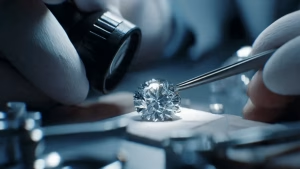
Diamonds are evaluated using the 4Cs (Carat, Color, Clarity, Cut), plus fluorescence, shape, and overall brilliance. A GIA grading report (or comparable lab) makes verification faster and reduces risk—often improving LTV.
Carat & cut drive price the most; well-cut stones look larger and brighter.
Color & clarity affect value; the fewer visible inclusions and the whiter the stone, the better.
Certification (GIA preferred) allows the pawnbroker to reference current trade price sheets and auction comps confidently.
Mounting (ring/pendant) is priced separately; melee stones and non-designer mountings add modest value.
Tip: Bring any lab reports, original receipts, or prior appraisals. While retail appraisals list replacement values for insurance, pawnbrokers focus on current secondary-market resale value, which is different.
Luxury Watches: Brand, Reference, Papers & Condition
For brands like Rolex, Omega, AP, Cartier, etc., pawnbrokers look at:
Brand + model/reference number (e.g., Rolex 126610LN)
Box & papers (warranty card, manuals, tags)
Year/serial range and service history
Original parts vs. aftermarket (bezel, dial, bracelet)
Condition (case stretch, scratches, timing performance)
Desirable, easily verified models with complete sets and original parts are lower risk and typically qualify for higher LTV. Even without papers, value can still be strong if the watch is authentic, in-demand, and clean.
Coins & Bullion: Melt vs. Numismatic Value
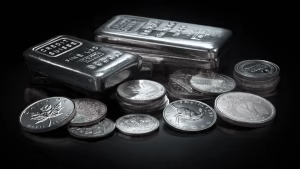
Bullion (e.g., 1 oz gold/silver rounds/bars) is priced mainly off live metal spot minus market spreads and shop policy.
Numismatic coins (key dates, graded pieces) are evaluated by grade, rarity, and recent auction sales. Third-party grading (PCGS/NGC) improves confidence and may increase the offer.
What Affects Your Offer (Beyond the Item Itself)
Completeness: original box, manuals, accessories, extra links, certificates.
Timing & demand: peak seasons or hot models can lift offers.
Service needs: if an item needs repair/servicing, the cost is deducted from value.
Documentation: receipts, GIA reports, and watch service records reduce uncertainty.
Local regulations & shop policy: storage costs, insurance, and compliance all factor into LTV.
What to Bring to Maximize Your Loan
Government-issued ID (required for a pawn loan).
All accessories (box, papers, chargers, extra links, straps, remotes).
Certificates & reports (GIA, watch service records, coin grading slabs).
Receipts or prior appraisals (for reference—helps verify details).
Clean items (a quick wipe or polish can improve presentation).
Check our blog:
Frequently Asked Questions
How do pawn shops decide what percentage to lend?
They start with a realistic resale value (based on comps and condition) and apply their LTV policy to cover risk and costs. Safer, high-demand items usually qualify for higher LTVs.
Can I get more if I have the box, papers, or certificates?
Yes. Documentation reduces risk and speeds authentication, often improving the offer—especially for luxury watches and diamonds.
Do scratches or missing links matter on a watch?
They do. Cosmetic wear, bracelet stretch, and missing links lower value. Original parts and a recent service help.
How is gold tested?
Shops commonly use acid tests and XRF analyzers to verify karat purity. Testing is often done in view for transparency.
Will a retail appraisal get me a higher loan?
Appraisals are useful references, but they focus on insurance replacement value, which is not the same as current resale value. Loan offers reflect what the item can sell for on today’s secondary market.
Your valuables are safe with us in our secure facility, and we always try to work with our customers – not against them.
Contact Houston Jewelry & Loan today for a professional appraisal and an immediate offer.
Questions about your loan?
📍 Visit us at 1801 Durham Drive, STE 7 Houston, Texas 77007
📞 Call us at (713) 766-2919
📧 Email: houstonjewelryloan@gmail.com
We’re here to help you get the cash you need—without the stress.
Silver Is Now Legal Tender in Texas: What Houston Silver Bullion Owners Should Know in 2026
Texas Silver Update · 2026 Silver Is Now Legal Tender in Texas: What Houston Silver Bullion Owners Should Know in
Buying or Selling Silver: 10 Tips That Get You the Best Price
Silver Buying & Selling Tips Buying or Selling Silver: 10 Tips That Get You the Best Price Purity stamps, spot
Precious Metals Explained: What Really Decides the Value of Your Gold, Silver, and Platinum
Precious Metals Guide Precious Metals Explained: What Really Decides the Value of Your Gold, Silver, and Platinum Purity, weight, and
Sell Silver in Houston for the Best Price
Sell Silver in Houston | Free Appraisals & Same-Day Cash Free Appraisals • Same-Day Cash Sell Silver in Houston for
The Timeless Allure of the Princess Cut Diamond
Discover why princess cut diamonds remain one of the most sought-after shapes. Learn about their brilliance, durability, and investment value.
Need Cash While Awaiting Your Tax Return?
Need Cash While Awaiting Your Tax Return? Quick Solutions Fast Funding Solutions Need Cash While Awaiting Your Tax Return? Your
