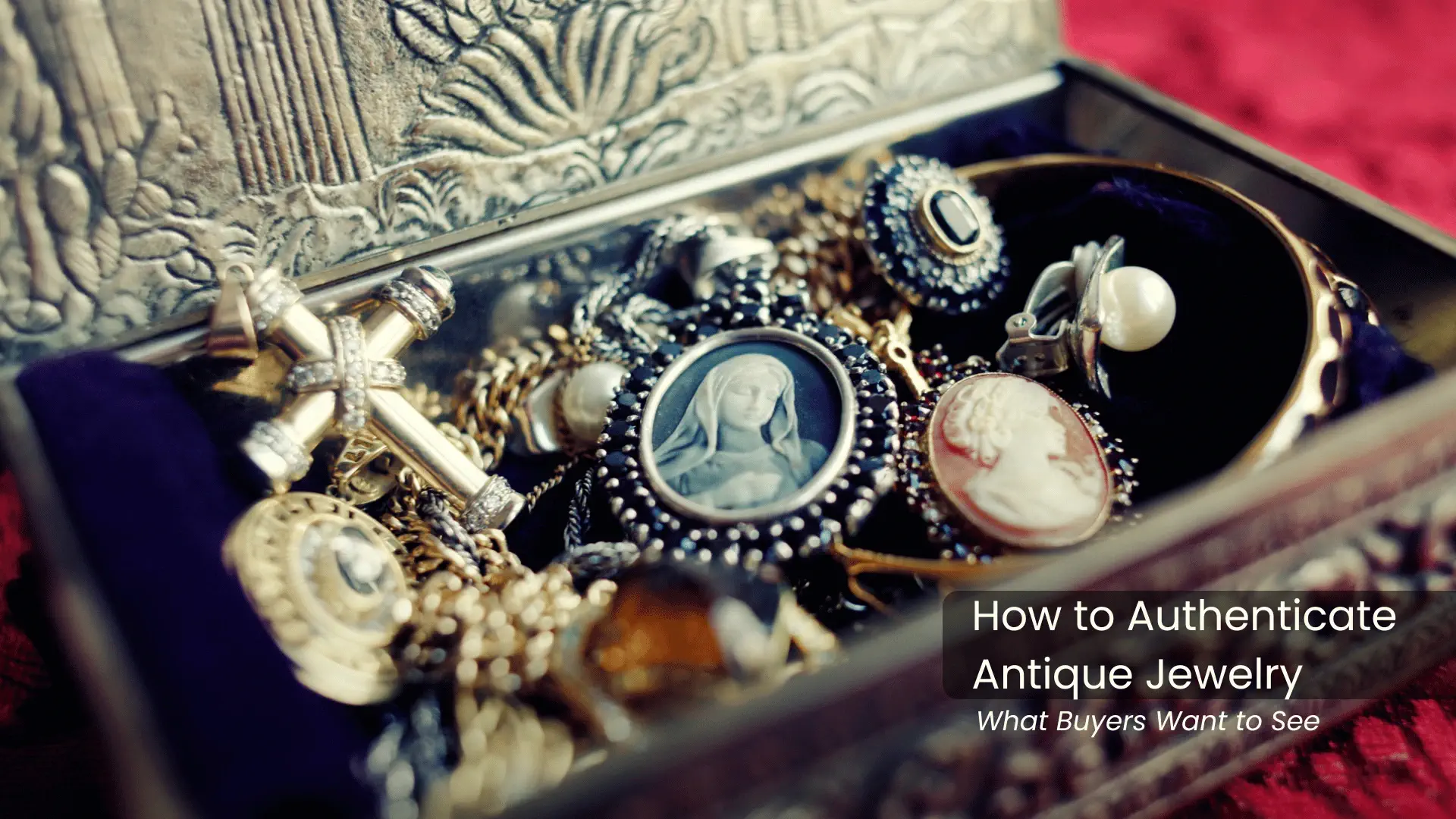
How to Authenticate Antique Jewelry: What Buyers Want to See
Buying or selling antique jewelry isn’t just about beauty it’s about proof, provenance, and trust. Serious buyers don’t rely on a quick glance; they look for verifiable details that confirm age, materials, craftsmanship, and authenticity. Whether you’re preparing to sell antique jewelry, get a professional appraisal, or simply want to understand what you own, knowing how authentication works can directly impact your final value.
This guide breaks down what buyers actually look for when authenticating antique jewelry, plus practical tips to help you present your piece with confidence.
1. Hallmarks, Maker’s Marks, and Signatures Matter
One of the first things buyers check when evaluating antique jewelry authenticity is the presence of hallmarks or maker’s marks. These tiny stamps can reveal:
Metal purity (e.g., 14K, 18K, platinum)
Country of origin
Manufacturer or designer
Approximate production period
Recognizable marks from historic houses or workshops can significantly increase antique jewelry value.
Tips for sellers:
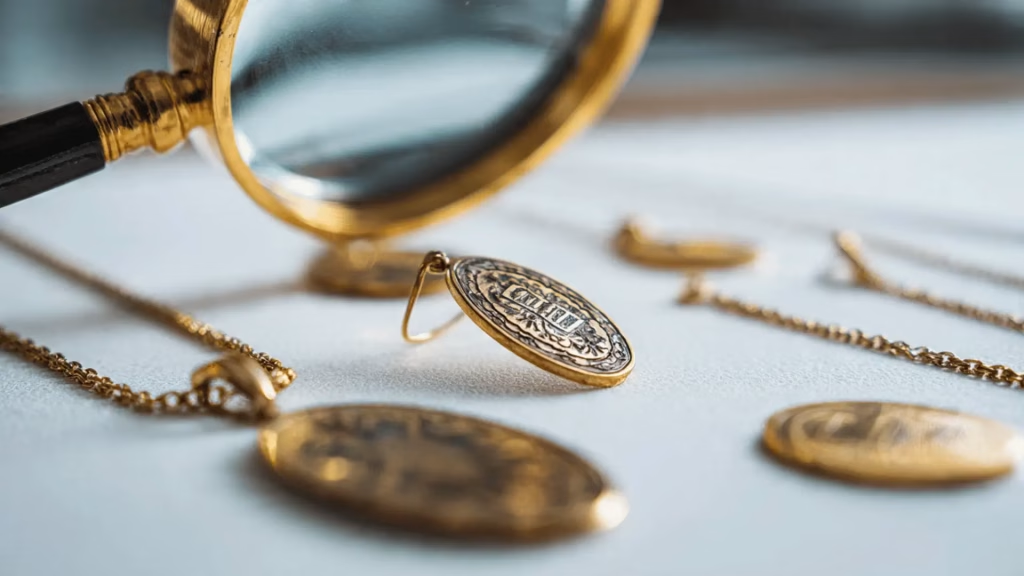
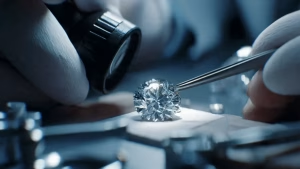
Use a magnifying glass or jeweler’s loupe to locate stamps (inside rings, clasps, or backs of pieces)
Avoid cleaning too aggressively—marks can fade
Take clear, close-up photos if you’re getting an online evaluation
Even if markings are worn or missing, don’t assume the piece has no value experts can still authenticate based on construction and materials.
2. Craftsmanship and Construction Reveal the Era
Authentic vintage and antique jewelry often shows hand-crafted details that are difficult to replicate today. Buyers and appraisers study:
Stone settings (prong, bezel, closed-back)
Clasp types (box clasp, C-clasp, safety chains)
Hand engraving vs. machine work
Signs of aging and wear consistent with the period
For example, Georgian and Victorian pieces often feature closed-back settings, while Art Deco jewelry leans toward geometric precision and platinum use. If you want a deeper breakdown of historical construction styles, this guide from GIA explains how jewelry design evolved across eras:
3. Gemstones and Materials Must Match the Period
When evaluating antique jewelry authenticity, buyers closely analyze whether the gemstones and materials match the historical period of the piece. Elements like old mine cut diamonds, rose cut stones, and traditional metal combinations such as silver-topped gold or early platinum work are strong indicators of genuine antique origin. If a piece claimed to be Victorian features modern brilliant-cut diamonds or recently manufactured alloys, it may signal alterations or reproduction. To protect your antique jewelry value, it’s essential to verify stones through professional testing and ensure consistency between design, materials, and era. A well-matched composition not only confirms authenticity but also increases buyer confidence and final resale offers.
Curious how small details can impact your final offer? Discover the most common pitfalls sellers face and how to avoid them before making a decision.
Beyond physical characteristics, buyers want to see provenance—the history behind the piece. This can include:
Original purchase receipts
Estate documentation
Previous appraisals
Branded boxes or packaging
While not always required, documentation can significantly boost resale value of antique jewelry and make authentication faster and easier. Auction houses highlight how provenance impacts pricing and buyer confidence.
Tips for sellers:
Organize all paperwork before seeking an appraisal
If you inherited the piece, write down any known history
Keep original packaging, even if worn
A well-documented piece doesn’t just sell it stands out.
Free Antique Jewelry Appraisal & Authentication
Make informed decisions with confidence. You should never feel pressured to sell antique jewelry without fully understanding its authenticity, materials, and market value. A professional antique jewelry appraisal allows you to verify key factors like hallmarks, gemstone origin, craftsmanship, and historical period—so you know exactly what you have before taking the next step.
At Houston Jewelry & Loan, we provide side-by-side evaluations, comparing your piece against known standards for vintage and antique jewelry authentication. This ensures accurate insights into age, condition, and resale potential.
Frequently Asked Questions
Q: How can I tell if my antique jewelry is authentic? A: Authenticating antique jewelry involves evaluating hallmarks, craftsmanship, gemstone cuts, and materials that match the historical era. Experts look for details like old mine cut diamonds, hand-crafted settings, and period-correct clasps. When all these elements align, it strongly supports the authenticity and value of the piece.
Q: Do I need certificates or paperwork to authenticate antique jewelry? A: No, but documentation helps. While many authentic pieces don’t include original paperwork, receipts, estate records, or prior appraisals can strengthen provenance and increase buyer confidence. A professional antique jewelry appraisal can still verify authenticity based on materials, construction, and design period.
Q: Can repaired or modified antique jewelry still hold value? A: Yes, but condition and transparency matter. Many vintage and antique jewelry pieces have been repaired over time. As long as modifications are disclosed and consistent with the original design, the piece can still retain strong resale value, though major alterations or mismatched stones may reduce the final offer.
Q: Why is provenance important when selling antique jewelry? A: Provenance adds history, credibility, and buyer trust, which can significantly increase the value of antique jewelry. Pieces with known origin, previous ownership, or supporting documentation often sell faster and command stronger offers in the antique jewelry market.
Don’t rely on guesswork. A proper antique jewelry authentication and appraisal can be the difference between an average offer and a premium one. Understanding what buyers look for puts you in control—and in a stronger position to maximize your return.