

How to Pawn Silver:
A Step-by-Step Guide for First-Time Sellers
Whether you've inherited a silver tea set, found a box of old coins, or simply want to turn unused jewelry into cash, pawning silver is one of the fastest ways to get money in hand — often the same day. This guide walks you through exactly how it works, step by step, so you can walk into any silver pawn shop with full confidence.
How Pawning Silver Works
When you bring silver to a pawn shop, you have two choices: pawn it (use it as collateral for a short-term loan) or sell it outright. Both options put money in your pocket quickly — usually within minutes.
The Pawning Process, Step by Step
- Walk in with your silver item. No appointment needed at most shops.
- The pawnbroker inspects and tests the silver. They'll check weight, purity markings, and condition.
- You receive an offer. This is negotiable — don't be afraid to ask questions.
- If pawning: You sign a loan agreement, hand over the item, and receive cash. You typically have 30–90 days to repay the loan plus interest to reclaim your item.
- If selling: You sign over ownership and walk out with cash. Simple as that.
Pawning is not the same as selling permanently. If you repay your loan on time, you get your silver back. Most states regulate pawnbroker interest rates, so always ask for the full loan terms in writing.
What Types of Silver Pawn Shops Accept
Most reputable silver pawn shops will consider a wide range of silver items. Here's what you can typically bring in:
- Silver jewelry — rings, necklaces, bracelets, earrings, brooches, and pendants marked 925, 950, or 999
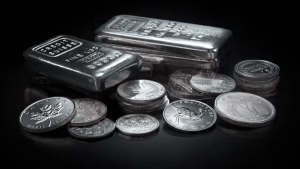
- Silver coins — U.S. pre-1965 junk silver, Morgan dollars, Peace dollars, American Silver Eagles, and foreign silver coins
- Silver flatware and cutlery — sterling silverware sets, spoons, forks, knives
- Silver bars and ingots — .999 fine silver rounds and poured bars from recognized mints
- Silver holloware — tea sets, pitchers, candlesticks, trays, and serving dishes
- Antique or estate silver — Victorian pieces, signed silversmith items, hallmarked European silver
Silver-plated items (EPNS, silver-filled, or items marked "Sheffield Plate") are generally worth far less than sterling silver and some shops may decline them entirely. More on this below.
Not sure if your item qualifies? Bring it in — most pawn shops offer free, no-obligation appraisals.
See Our FAQ →How Pawn Shops Determine Silver Value
Every offer you receive is based on three core factors. Understanding these before you walk in puts you in a much stronger position to negotiate.
The Silver Value Formula
Pawn shops calculate your silver's melt value using a straightforward formula:
Melt Value = Weight (troy oz) × Purity % × Spot Price per troy oz
Example: A 925 sterling silver necklace weighing 1 troy oz with silver at $30/ozt
= 1 × 0.925 × $30 = $27.75 melt value
Pawn shops typically offer 50–80% of melt value for items they'll resell, and slightly more for direct coin sales.
Other Factors That Affect Your Offer
- Condition: Clean, undamaged silver commands higher offers.
- Maker's marks and hallmarks: Signed pieces by known silversmiths can be worth significantly more than melt value.
- Collector demand: Rare coins or limited-edition silver items may fetch premiums above spot price.
- The shop's current inventory: If a shop already has plenty of silver flatware, they may offer less.
- Local silver pawn market: Offers can vary by city and region.
Sterling Silver vs. Silver-Plated: Important Differences
This is the single most important distinction to understand before visiting a silver pawn shop.
How to Identify Sterling Silver at Home
- Look for a "925" stamp — the most reliable mark for sterling silver jewelry
- Check for the word "Sterling" stamped directly on the piece
- Genuine silver does not attract a magnet
- Sterling silver tarnishes dark grey/black over time — plated items chip or peel
- Look up hallmarks online for antique or European pieces
Can't find a stamp? Pawnbrokers use an acid test kit or electronic precious metal tester to determine purity on the spot — free of charge.
Tips to Get the Best Offer for Your Silver
Most first-time sellers leave money on the table. Here's how to maximize what you receive.
Check the Spot Price First
Look up the live silver spot price on Kitco.com before you go. This gives you a baseline for negotiation.
Clean Your Silver Gently
A quick polish with a soft cloth improves condition. Avoid aggressive chemical cleaners — they can damage value.
Get Multiple Quotes
Visit two or three silver pawn shops. Offers can vary by 20–30%. Never accept the first offer without research.
Bring Documentation
Receipts, appraisals, or certificates of authenticity add credibility and can push offers higher.
Know When to Hold Out
If silver prices are historically low, consider waiting. Selling during a price spike means more cash.
Separate Your Items
Keep sterling, plated, and coins separate so each is evaluated correctly and fairly.
Pawn shop offers are almost always negotiable. A polite "is that the best you can do?" can easily add 10–15% to the final number.
Pawn vs. Sell Silver: Which Is Better?
The right choice depends entirely on your situation.
| Factor | Pawn (Loan) | Sell Outright |
|---|---|---|
| Cash received | 40–60% of value | 50–80% of melt value |
| Get item back? | Yes — if loan repaid | No |
| Interest/fees | Yes — monthly interest | None |
| Best when… | Need short-term cash, want silver back | Don't need item, want max cash now |
| Speed | Same day | Same day |
| Risk | Lose item if loan not repaid | No ongoing risk |
Our recommendation: If the silver has sentimental value, pawn it. If you don't need it back, selling outright almost always gets you a slightly better rate.
FAQ About Pawning Silver
Ready to Turn Your Silver Into Cash?
Don't let silver jewelry, coins, or flatware sit unused. Bring your items in for a free, no-obligation appraisal — walk out with cash the same day.
Get a Free Silver Appraisal Learn More About Our ProcessQuestions about your loan?
📍 Visit us at 1801 Durham Drive, STE 7 Houston, Texas 77007
📞 Call us at (713) 766-2919
📧 Email: houstonjewelryloan@gmail.com
We’re here to help you get the cash you need without the stress.
Silver Is Now Legal Tender in Texas: What Houston Silver Bullion Owners Should Know in 2026
Buying or Selling Silver: 10 Tips That Get You the Best Price
Precious Metals Explained: What Really Decides the Value of Your Gold, Silver, and Platinum