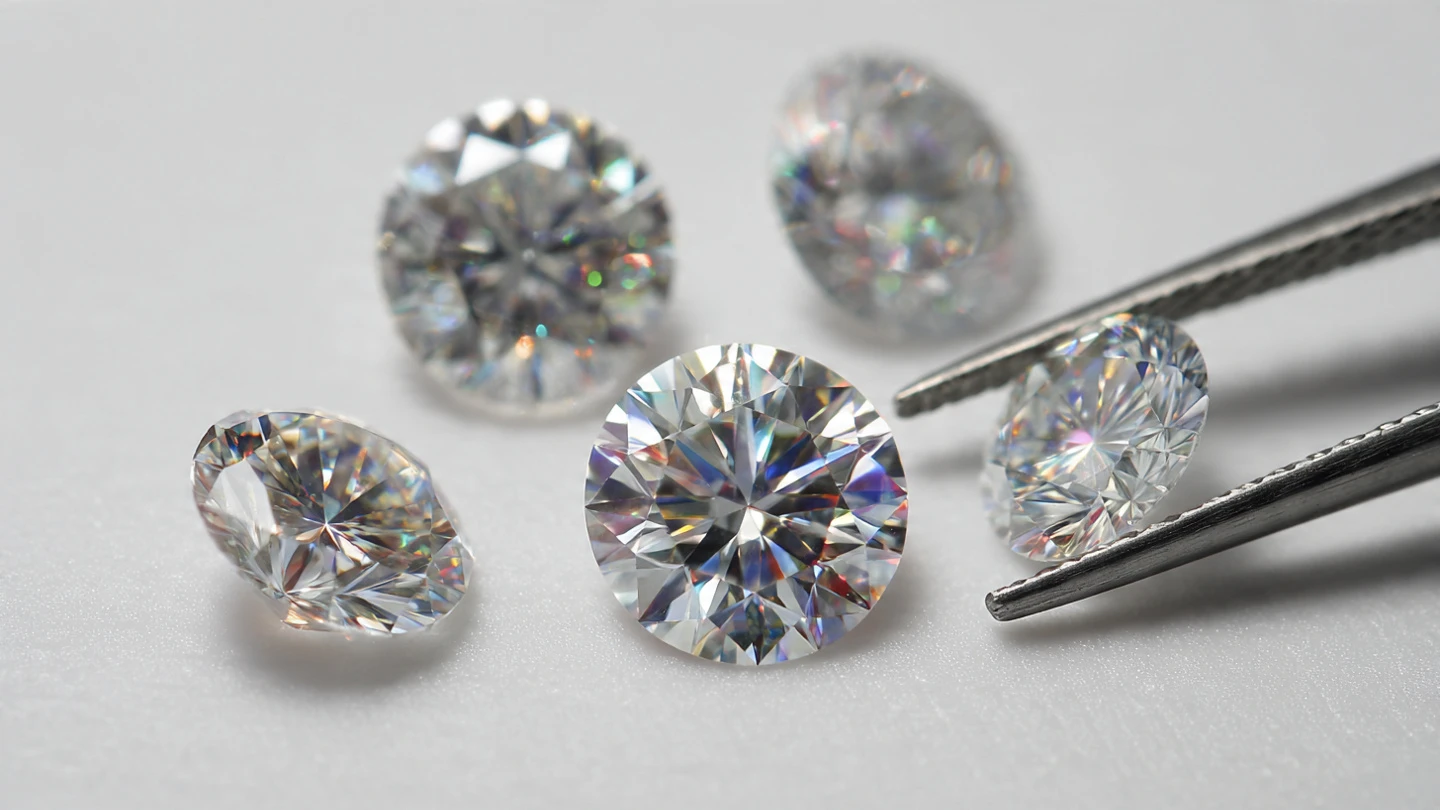
In the dazzling world of gemstones, many factors contribute to a stone’s allure and value. From the fiery sparkle of a diamond to the deep blue of a sapphire, each characteristic plays a role. However, one element consistently stands out as a primary driver of both visual impact and financial worth: size.
When we talk about gemstone size, we’re typically referring to its carat weight, a unit of measurement that often dictates everything from rarity to price per carat. But why does size matter so much? Is it just about appearance, or are there deeper reasons rooted in geology and market dynamics?
This blog post will delve into the multifaceted reasons why gemstone size is a critical consideration for both buyers and collectors.
1. Rarity and Geological Probability
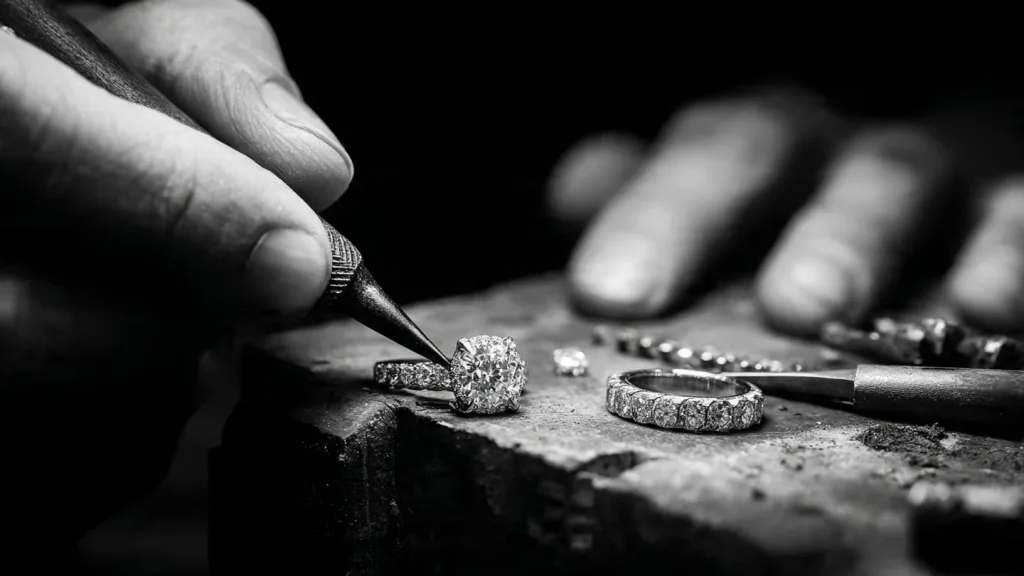
The most fundamental reason why size matters is simply supply and demand, heavily influenced by geological rarity. Large, high-quality gemstones are exponentially rarer than smaller ones. Imagine finding a flawless 1-carat diamond versus a flawless 5-carat diamond – the latter is a geological marvel.
Formation Challenges: The earth’s processes rarely create perfect conditions for a crystal to grow large without inclusions or flaws. Larger stones are more likely to have internal imperfections, making a large flawless stone exceptionally rare.
Mining Difficulty: Extracting large, intact gemstones without damage is a significant challenge. The deeper and more complex the geological formation, the harder it is to recover substantial pieces.
This inherent rarity means that as carat weight increases, the price per carat doesn’t just go up linearly; it often increases exponentially.
2. Visual Impact and Presence
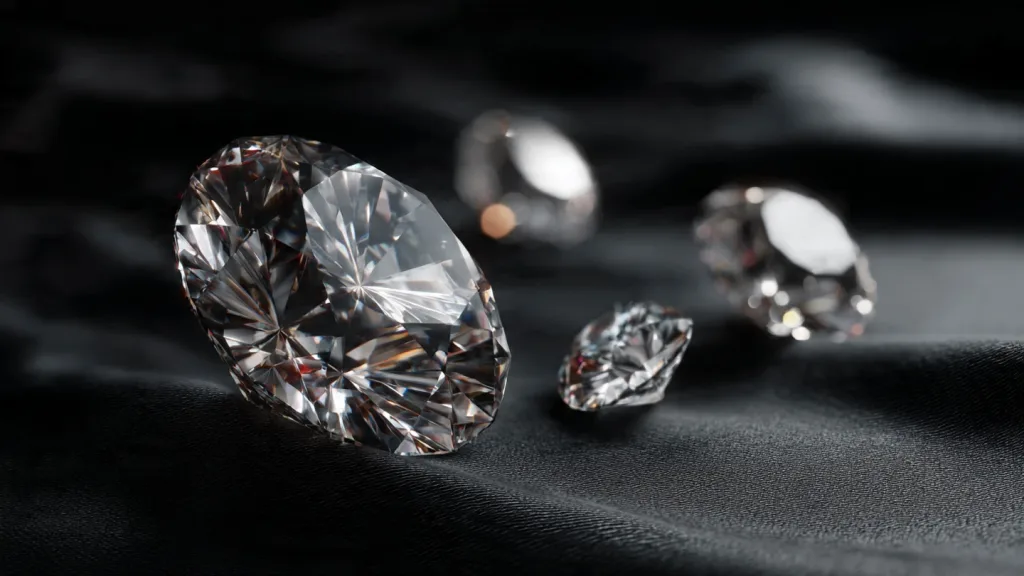
Beyond rarity, the sheer visual impact of a larger gemstone is undeniable. A larger stone naturally commands more attention and has a greater “presence” on the wearer.
Light Performance: A larger gemstone offers a bigger canvas for light interaction. When cut well, a larger stone can exhibit more pronounced brilliance, fire, and scintillation, creating a more captivating display of light.
Design Versatility: Larger gemstones provide jewelers with more creative freedom. They can be the focal point of a statement piece or serve as a substantial center stone in intricate designs. For example, a 3-carat emerald will naturally stand out more than a 0.5-carat emerald, making it ideal for a prominent ring or pendant.
3. Market Value and Investment Potential
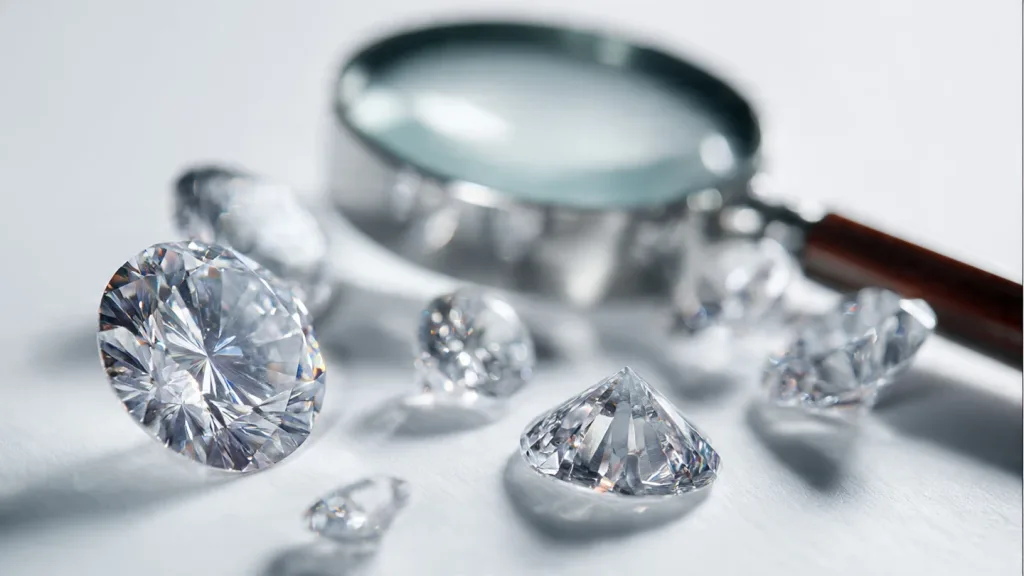
For collectors and investors, gemstone size is a crucial factor in determining market value and potential appreciation. Larger, high-quality gemstones tend to retain and increase their value more reliably than smaller ones.
Price Per Carat Jump Points: Gemstone pricing often sees significant “jump points” at certain carat weights (e.g., 1-carat, 2-carat, 3-carat, etc.). A 1.9-carat diamond might be significantly less expensive per carat than a 2.0-carat diamond, even if their other qualities are identical. This phenomenon is due to consumer demand for specific “round numbers.”
Collectible Status: Very large, high-quality gemstones often achieve collectible status, appearing in auctions and commanding significant prices due to their rarity and historical significance. These pieces are often seen as tangible assets that can hedge against inflation. For more on how carat weight impacts valuation, check out resources like the GIA’s detailed guide on diamond carat weight.
4. Perceived Luxury and Prestige
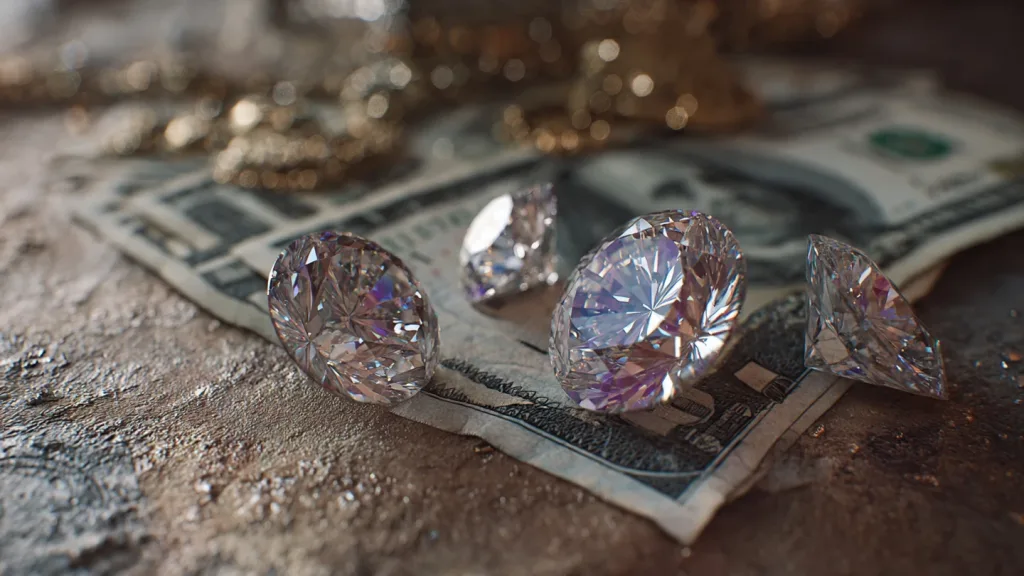
Finally, size plays a significant role in the perceived luxury and prestige associated with a gemstone. Throughout history, large gemstones have been symbols of wealth, power, and status.
Historical Significance: Royal families and influential figures have always adorned themselves with impressive, large gemstones, solidifying their status as symbols of ultimate luxury.
Cultural Importance: In many cultures, a larger gemstone is inherently seen as more valuable and impressive, reflecting the effort and resources required to acquire it. This perception continues to drive demand for larger stones in the luxury market.
Beyond the Scale
While factors like color, clarity, and cut are paramount to a gemstone’s beauty, its size, or carat weight, holds a unique and powerful influence. It dictates rarity, enhances visual appeal, drives market value, and symbolizes prestige.
Understanding why size matters allows buyers to make informed decisions, balancing their budget with their desired impact. Whether you prioritize a grand statement or a subtle sparkle, recognizing the role of carat weight is key to appreciating the true value and magic of your chosen gemstone.
For further exploration into gemstone characteristics and grading, a comprehensive resource is available at International Gem Society (IGS).
Ready to find the perfect gemstone that combines ideal size with exquisite quality?
Frequently Asked Questions
Q1: Does a larger gemstone always mean it is more valuable? Not necessarily. While size is a major factor, value is determined by the balance of the “4 Cs.” A smaller diamond with internally flawless clarity and a perfect cut can be worth significantly more than a much larger stone that is dull or heavily included. Size only adds premium value when the quality remains high.
Q2: Why does the price per carat jump so much between a 0.90ct and a 1.00ct stone? In the industry, these are known as “magic numbers.” There is a high market demand for full-carat weights (1ct, 2ct, etc.). Because a 1-carat stone is more desirable to the public than a 0.90-carat stone, the price per carat increases significantly once that weight threshold is crossed, even if the visual size difference is minimal.
Q3: How does the size of a gemstone affect its durability in jewelry? Larger gemstones have a greater surface area, making them more “exposed” to daily wear and tear. A larger stone may require a more robust setting—such as six prongs instead of four—to ensure it remains secure. It is important to consider the “height” of a larger stone, as it may sit higher off the finger and be more prone to accidental bumps.
Q4: Can a well-cut small stone look bigger than a poorly cut large stone? Absolutely. This is often referred to as the “spread” of the stone. A gemstone that is cut too deep hides its weight in the bottom (the pavilion), making it look small for its carat weight. Conversely, a stone with an “excellent” cut grade is proportioned to maximize its face-up diameter, often making it appear larger and more brilliant than heavier, poorly proportioned stones.
Understanding the nuances of gemstone size is just the first step in managing your high-value assets. Whether you own a record-breaking sapphire or a classic diamond engagement ring, knowing its exact market standing is essential for your financial planning.
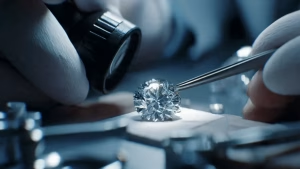
Don’t settle for guesswork. Visit us today for a Free Professional Appraisal and see the difference a side-by-side comparison makes. Our experts use precision tools to evaluate your pieces beyond just the scale, ensuring every aspect of craftsmanship and quality is accounted for. Whether you need a short-term bridge loan to seize a new opportunity or a long-term financial solution, we are here to help you get the best market value for your jewelry.
Contact Houston Loan & Jewelry today for a professional appraisal and an immediate offer.
Questions about your loan?
📍 Visit us at 1801 Durham Drive, STE 7 Houston, Texas 77007
📞 Call us at (713) 766-2919
📧 Email: houstonjewelryloan@gmail.com
We’re here to help you get the cash you need without the stress.
Silver Is Now Legal Tender in Texas: What Houston Silver Bullion Owners Should Know in 2026
Buying or Selling Silver: 10 Tips That Get You the Best Price
Precious Metals Explained: What Really Decides the Value of Your Gold, Silver, and Platinum