Which Diamond Bracelets Hold Their Value? A Style Guide for Collectors
When it comes to fine jewelry, a diamond bracelet is more than just a sparkling accessory it is a wearable asset. However, as any seasoned collector knows, not all carats are created equal. If you are looking to build a collection that retains its luster and its resale value, choosing the right style is paramount. Buying jewelry for investment purposes requires a shift in perspective. You aren’t just looking for “pretty”; you are looking for provenance, liquidity, and timelessness. In 2026, the secondary market has shown a clear preference for pieces that balance brand heritage with high-quality technical specs.
The “Safe Havens” of Jewelry Investing
If you want a piece that you can enjoy today and sell confidently tomorrow, these four categories are the gold standard.
1. Heritage House Icons (The Brand Premium)
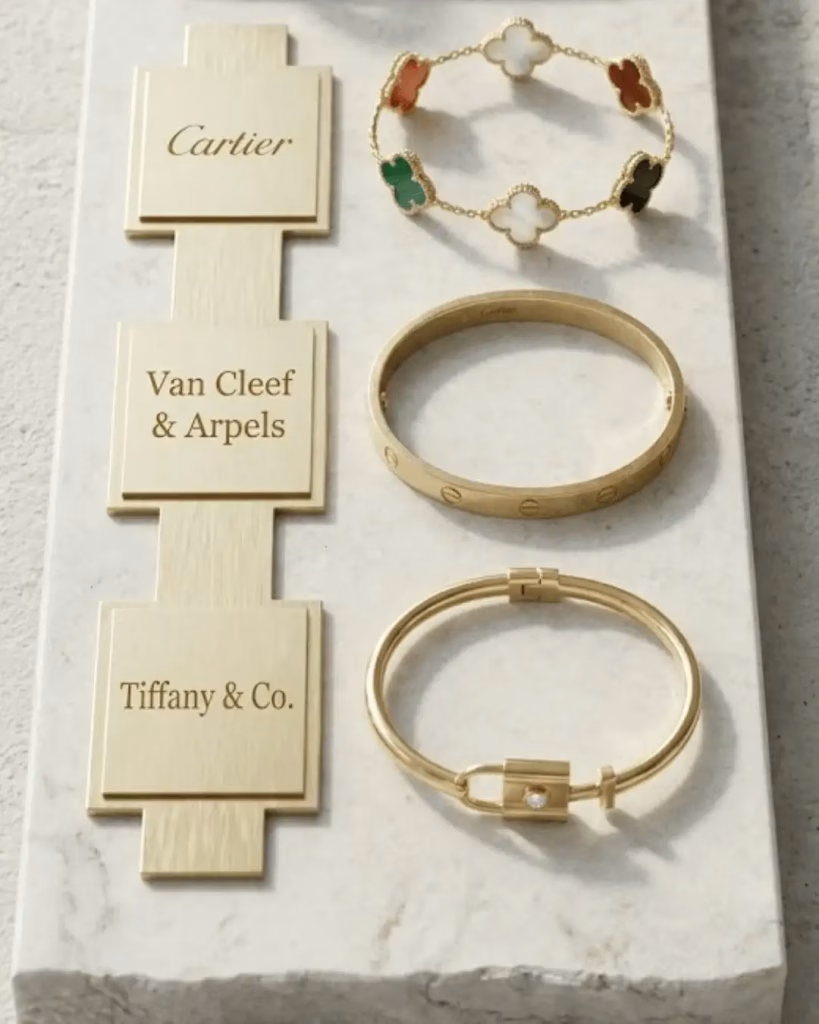
In the world of high-end luxury, “The Big Three”Cartier, Van Cleef & Arpels, and Tiffany & Co. reign supreme. These brands command a “brand tax” at retail, but that same name recognition protects your investment in the secondary market.
The Cartier Love Bracelet: Specifically models set with diamonds. Because of its “locking” mechanism and status as a global icon, it often retains 90% or more of its retail value in the pre-owned market.
VCA Alhambra Bracelets: The clover-shaped motifs from Van Cleef & Arpels have seen consistent price increases year-over-year. In fact, recent market data shows that rare stone configurations like malachite or pavé diamond motifs can even appreciate if the boutique supply is low.
Ready to build a collection that pays for itself? See the full investment guide below.
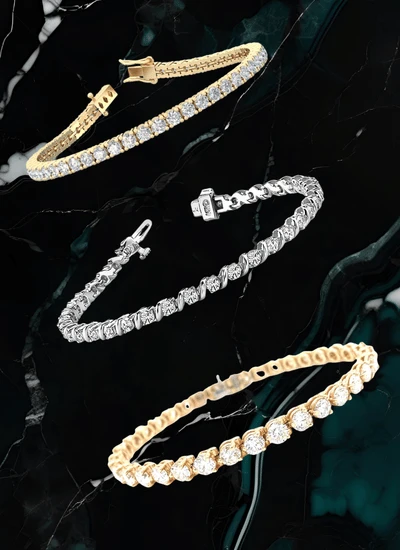
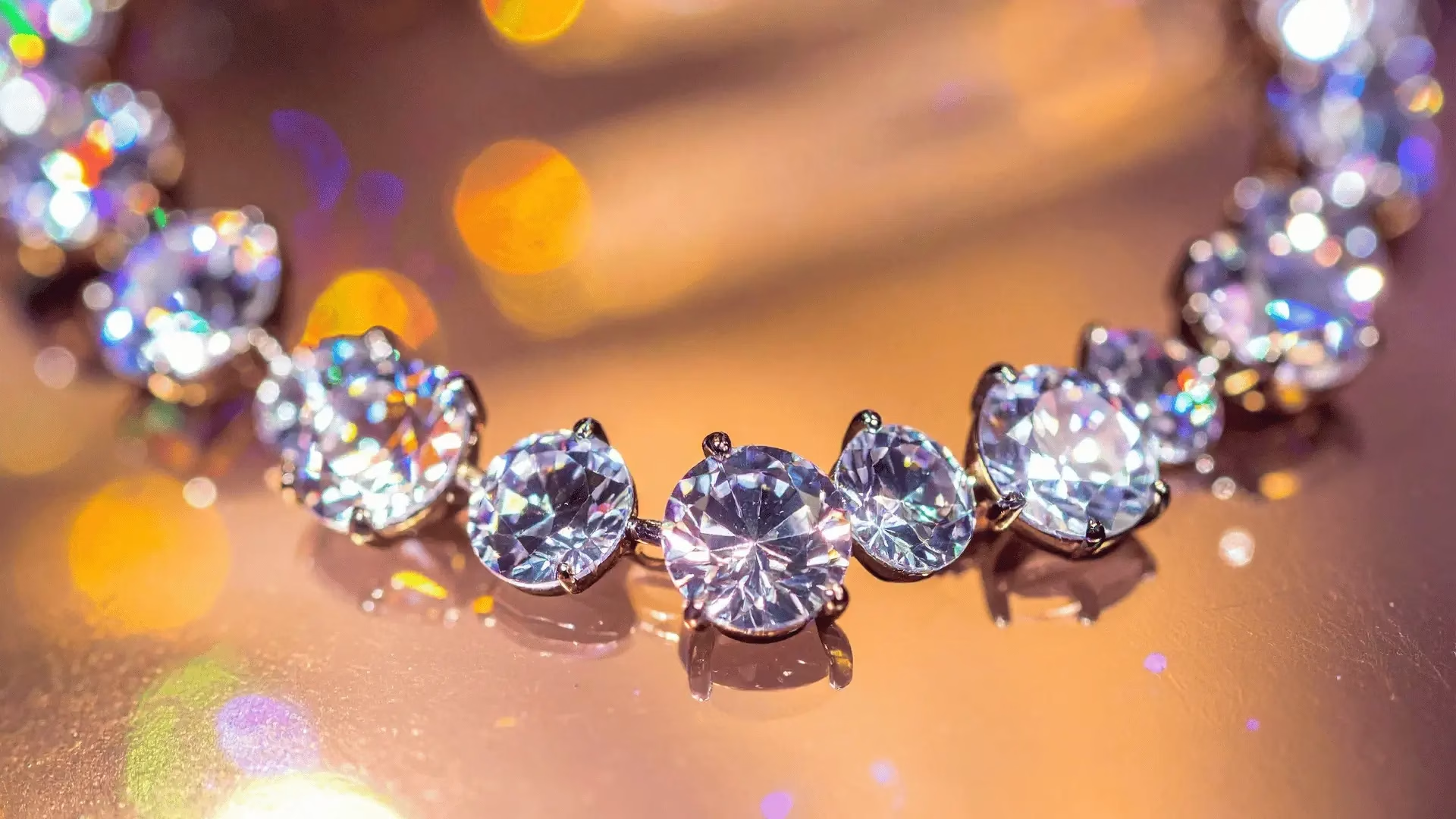
The tennis bracelet is the ultimate “liquid” jewelry asset. Because the design is trend-proof, it is always in demand. However, the value here is determined by the intrinsic quality of the stones rather than the brand name.
To ensure value retention, focus on:
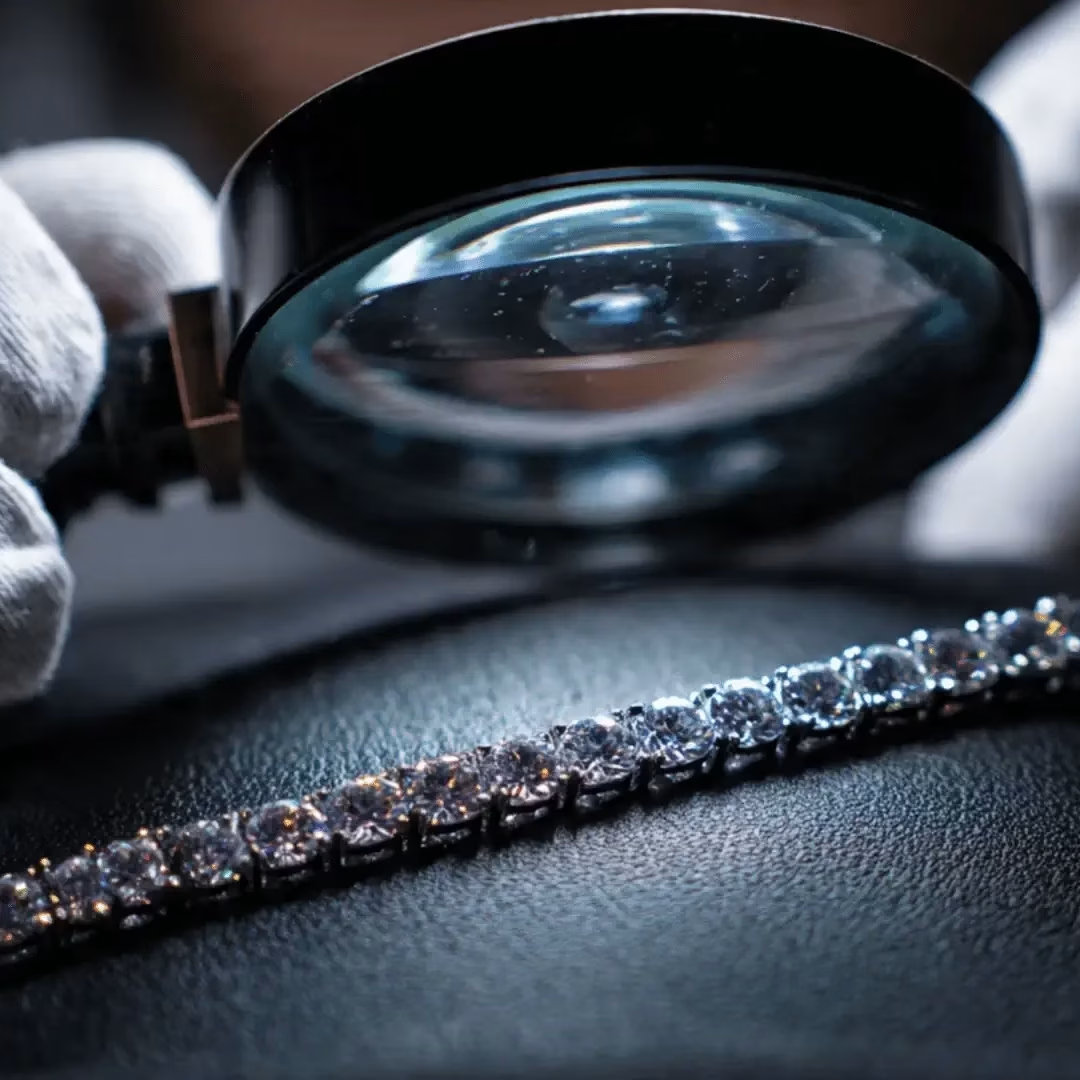
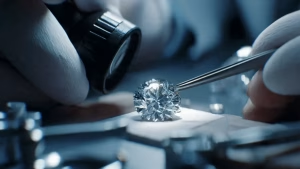
The 4 Cs: Prioritize “Eye-Clean” (VS2 or higher) and “Near Colorless” (G-H) diamonds.
Metal Choice: 18k gold or Platinum is the industry standard. Platinum is particularly prized for its durability and rarity, often fetching a higher floor price at resale.
3. Modern Sculptural & “Hardware” Designs
We are seeing a massive surge in demand for “industrial” luxury. Pieces like the Cartier Juste un Clou (the “Nail” bracelet) have transitioned from trendy to timeless. These pieces appeal to a younger, affluent demographic, ensuring that the pool of potential buyers remains large and active for decades to come.
Avoid the “Depreciation Trap”
To keep your collection’s value high, avoid these common pitfalls:
Heavy Customization: While a “one-of-a-kind” piece sounds appealing, custom jewelry is often harder to sell because it caters to a specific person’s taste rather than the broad market.
Generic Mall Jewelry: Mass-produced bracelets often have high retail markups but very low resale value because the diamond quality is generally lower (I1-I3 clarity).
4. The Hidden “Multiplier”: Why Construction and Clasp Matter
When assessing value, most buyers focus solely on the diamonds. However, for a bracelet that will be worn and potentially resold, the engineering is just as critical as the carat weight.
The Security Factor: A high-end bracelet should feature a “hidden” clasp or a double-safety lock. If a clasp is flimsy or requires frequent repair, it indicates a mass-produced piece. Collectors specifically hunt for robust, precision-engineered clasps—it’s a sign that the manufacturer didn’t cut corners on the most vulnerable part of the jewelry.
Metal Purity & Weight: Never overlook the “floor” value of the metal. While 14k gold is standard, 18k gold or Platinum holds a higher intrinsic value. When you go to sell, a heavier, solid-metal construction will always command a higher offer than a hollow or lightweight frame.
Setting Consistency: Examine the alignment. In investment-grade pieces, the diamonds are set to ensure the bracelet “drapes” comfortably without twisting. If the piece flips over constantly or catches on clothing, it’s a sign of poor structural design, which inevitably hurts its long-term desirability on the secondary market.
Note: While fine jewelry is a beautiful store of wealth, it is best viewed as a “wearable asset.” For advice on specific high-value insurance or tax implications, always consult with a financial advisor or a certified gemologist.
Final Thoughts for the Savvy Collector
A diamond bracelet should be an investment in your personal style, but choosing a piece with provenance and purity ensures it remains a financial win. Whether you are eyeing a vintage Cartier or a high-carat tennis line, the key is to prioritize authenticity and condition.
Ready to add a value-retaining piece to your collection? At Houston Loan and Jewelry, we specialize in curated, high-investment diamond jewelry that stands the test of time. Browse our latest collection of authenticated heritage pieces and GIA-certified classics today.
Frequently Asked Questions
1. Does a diamond tennis bracelet hold its value better than a loose diamond? Generally, no. A loose, high-quality diamond with GIA certification is the most “liquid” form of the asset because it has no “design depreciation.” However, a branded diamond bracelet (like those from Cartier or Tiffany) often holds value better than an uncertified, generic diamond because the brand provides an additional layer of market demand and authenticity that loose stones lack.
2. Is there a big difference between resale value for natural vs. lab-grown diamonds? Yes, a significant one. Natural diamonds are finite, tangible assets that have historically maintained long-term stability. Conversely, lab-grown diamond prices have seen sharp declines as production technology becomes more efficient and supply increases. If your goal is long-term value retention, natural stones remain the clear choice.
3. How do I prove the value of my bracelet when I’m ready to sell? Documentation is your best friend. To maximize your resale offer, keep the original sales receipt, the branded authenticity card, and the GIA diamond grading reports. Without these, buyers must pay to have the pieces appraised themselves, which usually results in a lower offer to cover their overhead costs.
4. Why does the “4 Cs” grade matter so much for a bracelet? Unlike a single-stone ring, a tennis bracelet uses dozens of stones. Even small variations in color or clarity can make a bracelet look “dull” when the light hits it. Expertly graded diamonds ensure that every stone contributes to the same level of brilliance, which is exactly what sophisticated collectors look for. A uniform, high-quality sparkle is what keeps a bracelet in “high demand” status rather than “scrap” status.
Ready to find a piece that truly retains its luster?
Your next luxury acquisition should be a blend of aesthetic beauty and financial foresight. At Contact Houston Loan & Jewelry , we curate our collection to ensure every piece meets the highest standards of craftsmanship and certification.