How to Tell If a Coin Has Collector Value Before You Pawn It
When you’re thinking about pawning coins, it’s natural to wonder whether they’re just worth their metal content or whether they might actually the Coin has Collector Valuethat could be far higher. The key is to distinguish between coins worth only bullion melt value versus those that could attract serious interest from collectors and that difference can mean hundreds or even thousands more in cash. Below, we break down how you can begin evaluating coins at home, what professionals look for, and a fresh idea for assessing potential hidden value before you walk into a pawn shop.
Why Collector Value Matters
Coins typically have two types of value:
Intrinsic (metal) value based on the precious metal they contain (gold, silver, platinum), which never disappears and forms a baseline price.
Numismatic (collector) value based on rarity, age, condition, mint mark, historical significance, and demand, which can push a coin’s worth far above its metal content. The difference between these values can be massive for rare coins.
Before you decide what to do with your coins, understanding which side of this line they fall on will help you avoid selling or pawning something that’s worth much more than you think.
1. Start With Basic Identification
Begin by inspecting:
Date and Mint Mark: Older issues and low-mintage years often have higher numismatic potential. Some mint marks are rare and desirable (e.g., early U.S. coins from Carson City or San Francisco).
Design Differences: Some coins have variants (errors, doubled dies, special issues) that significantly increase collector interest. Recent news examples show how rare errors or details can make coins dramatically more valuable.
Digital resources and coin catalogs online are great starting points to compare what you have with known issues, typical values, and rarity guides.
2. Look at Condition (Grading) Closely
Condition broadly known as grading is one of the biggest determinants of collector value:
The standard scale used by collectors and professionals is the Sheldon grading scale (1 – 70). A coin graded MS-65 or higher can often command serious collector premiums.
Signs of wear, scratches, cleaning marks, or corrosion can dramatically reduce collector appeal. Coins in uncirculated or near-mint condition are usually more sought after.
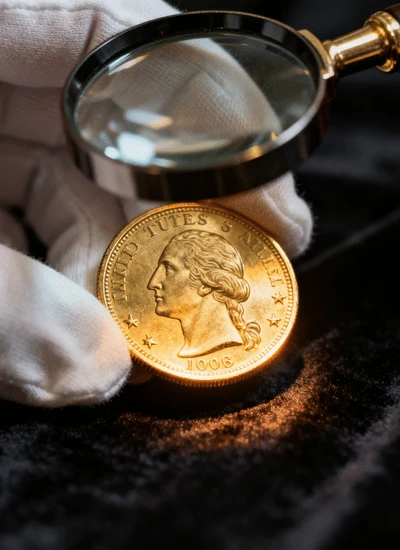
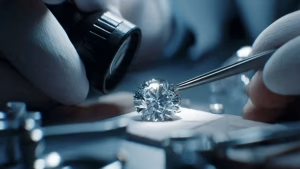
A simple bright light and magnifying glass can help you check how sharp the details are and whether a coin’s surfaces are original an important first step before considering a pawn offer.
3. Precious Metal vs. Numismatic Demand
Even older coins that look valuable might only be worth bullion value if they’re common and heavily worn. Here’s how to split these:
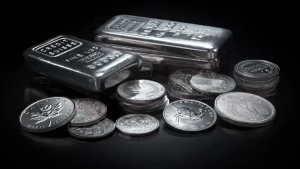
Metal content coins (e.g., U.S. silver dollars pre-1965) will always have some value based on silver content — useful baseline before selling.
Collector interest coins often feature:
Low mintage numbers
Special series or historical issues
Proof sets or commemorative runs
Tip: Don’t clean coins cleaning can harm the surface and reduce collector value.
4. Authentication and Professional Grading
While you can spot basic signs of collector value, professional verification is often necessary:
Third-party grading services like PCGS, NGC, or ANACS will authenticate and grade a coin, often leading to higher market prices because buyers trust the grade.
Grading costs money, but if your research suggests a coin could be valuable collector-grade, the potential increase in resale value may justify the expense.
Certified coins (slabbed with a grade) typically sell for more than raw coins because buyers know precisely what they’re getting.
New Idea: Use a Digital Coin Identification Tool Before Pawning
Most guides focus on visual inspection and professional grading, but there’s a new way to begin evaluating coins at home digital coin ID apps. These tools let you:
Photograph the coin with your phone
Automatically identify date, mint mark, metal, and catalog details
Compare design features with huge online databases
While digital tools can’t replace expert graders, they provide a powerful first step to recognize potential rarities and organize your collection before professional appraisal. This can help you prioritize which coins to send for grading and which are simply bullion based saving cost and time.
Frequently Asked Questions
Q: How can I quickly tell if a Coin Has Collector Value? A: Start by examining the coin’s date, mint mark, and overall condition. Coins with low mintage years, rare mint marks, visible mint errors, or sharp, unworn details are more likely to carry collector value. Comparing your coin to reputable online price guides and recent auction results can also give you a preliminary idea before seeking professional appraisal.
Q: Are old coins automatically considered valuable to collectors? A: No, age alone does not determine whether a coin has collector value. While older coins can be desirable, rarity, demand, historical significance, and condition are far more important factors. Many old coins were produced in large quantities and may only be worth their metal content if they are heavily circulated or common issues.
Q: Should I clean a coin before pawning or selling it? A: No, cleaning a coin can significantly reduce its collector value. Professional collectors and grading services prefer coins in their original condition, even if they show natural toning. Cleaning often leaves fine scratches or surface damage that lowers the coin’s appeal and resale price.
Q: Is professional grading worth it before I pawn my coin? A: If your research suggests the coin might be rare or in high condition, professional grading can be worthwhile. Certified coins tend to sell for higher prices because buyers trust the authenticity and assigned grade. Grading can provide stronger negotiating power and may help you avoid accepting a lower pawn offer based only on metal value.
Before you pawn coins, taking a bit of time to determine whether they have collector value can make a huge difference in how much you receive. Start with visual identification, grade condition with basic tools, and use digital identification to quickly separate common bullion coins from potentially rare or historically significant ones. Ultimately, professional verification (grading) and specialist appraisal are the most reliable ways to confirm true collector value and could mean significantly more money than a pawn offer based only on metal content. Completing these steps first ensures you make the most informed, profitable choice.