
Can You Pawn Coins_ What Collectors Should Know

Can You Pawn Coins? What Collectors Should Know

If you’re a coin collector, you’ve likely spent years perhaps decades curating a collection that represents both historical significance and financial security. But life happens. Sometimes you need liquidity fast, and you might find yourself asking: Can you pawn coins?

The short answer is yes, but for a collector, the “how” and “why” are much more important than the “can.” Pawning a rare coin is a fundamentally different strategy than selling it to a dealer or at auction. In this guide, we’ll dive into what you need to know to protect your investment while getting the cash you need.

Can You Pawn Coins? What Collectors Need to Know Before Stepping into the Shop

If you’re a coin collector, you’ve likely spent years—perhaps decades—curating a collection that represents both historical significance and financial security. But life happens. Sometimes you need liquidity fast, and you might find yourself asking: Can you pawn coins?

The short answer is yes, but for a collector, the “how” and “why” are much more important than the “can.” Pawning a rare coin is a fundamentally different strategy than selling it to a dealer or at auction.

In this guide, we’ll dive into what you need to know to protect your investment while getting the cash you need.

1. Pawning vs. Selling: The Collector’s Dilemma

Before you walk into a pawn shop, you must decide your end goal.

  • Pawning (The Loan): You give your coins as collateral for a short-term cash loan. You get them back once you pay the loan plus interest. This is ideal if you have a “holy grail” coin you never want to lose but need $500 for an emergency.

  • Selling: You walk away with cash, but the coin is gone forever.

The Reality Check: Pawn shops typically offer 30% to 50% of the coin’s resale value for a loan. If you sell outright to a specialized dealer, you might fetch 70% to 90%. You pay for the convenience of the “buy-back” option with a lower payout and high interest rates.

Why Pawn Loans Don’t Affect Your Credit Score

2. What Do Pawn Shops Look For?

Not all coins are created equal in the eyes of a pawnbroker. They generally categorize coins into two buckets:

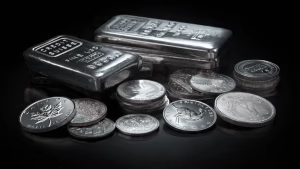
  • Bullion Value: Coins valued primarily for their metal (Gold Eagles, Silver Maples). These are easy to pawn because their value is tied to the daily “spot price” of gold or silver.

  • Numismatic Value: Rare coins (Morgan Dollars, Pre-1933 Gold) whose value comes from rarity, mint mark, and condition.

Pro Tip: Most general pawn shops are not numismatic experts. If your coin is worth $2,000 because of a rare “double die” error, a standard shop might only see $30 worth of silver. Always seek a shop that advertises a “Coin Specialist” or “Numismatist” on staff.

3. How to Prepare Your Coins for the Best Offer

If you’ve decided to pawn, don’t just show up with a jar of loose change.

  1. Never Clean Your Coins: This is the #1 mistake. Cleaning a rare coin can strip its “patina,” potentially destroying up to 90% of its collector value.

  2. Bring Documentation: If your coin is graded by PCGS or NGC, bring the slab and the certificate. This proves authenticity and eliminates the shop’s risk, which can lead to a higher loan offer.

  3. Know Your “Melt Value”: Use a tool like Coinflation to know the bare minimum your coins are worth in metal. Never accept a loan or sale price below the melt value.

The “Safety Deposit” Strategy: A New Perspective

Through my research into the pawn industry, I’ve developed a unique opinion on how collectors should view this process: Stop looking at pawning as a “last resort” and start looking at it as a “High-Security Bridge Loan.”

Most collectors store their best pieces in home safes or bank boxes. If you need a short-term loan (say, 30 days) and don’t want to deal with bank paperwork or credit checks, a reputable pawn shop acts as a high-security storage facility that pays you. Instead of seeing the interest as a “loss,” view it as a “secure storage and insurance fee.” If you use a high-end pawn shop that specializes in collectibles, your item is often kept in a more secure, insured vault than your home safe. This mindset shift allows you to leverage your collection for opportunities—like buying another rare coin—without ever losing ownership of your original assets.

Conclusion

Pawning coins is a powerful tool for collectors who need immediate liquidity without the heartbreak of a permanent sale. However, it requires a “buyer beware” mentality. You must enter the shop with more knowledge than the broker. By knowing your coin’s grade, its current melt value, and the specific terms of the pawn contract, you can navigate the transaction with confidence.
Remember:
A coin is a piece of history. If you pawn it, make sure you have a rock-solid plan to pay back the loan so that history stays in your hands.

Free Appraisal & Side-By-Side Comparisons

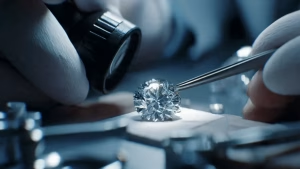
Just as a jeweler compares diamond clarity, we use high-power magnification to compare “MS” (Mint State) vs. “AU” (About Uncirculated) grades. This helps you see the actual condition of your coins under a lens, ensuring you understand the value “in real life,” not just based on a catalog price. If you aren’t ready to part with your collection permanently, ask about our low-interest collateral loans:

  • No credit checks required.

  • Option to redeem later to keep your collection intact.

  • Secure pawn tickets issued immediately for your peace of mind.

Frequently Asked Questions for Coin Pawners

Q1: Can a coin with “slight wear” still fetch a high loan value? Yes. Just as many SI1 diamonds look “eye-clean” at a distance, many coins with slight circulation wear maintain high value if they have strong “eye appeal” and original luster. We’ll help you confirm the grade with high-resolution video and distance photos.

Q2: What is the biggest risk with “raw” (un-slabbed) coins? The biggest risks are harsh cleaning or surface-reaching scratches. Much like “black crystals” in a diamond, these flaws can significantly drop the resale value. It is always better to choose coins with minor inclusions near the edge (rim) rather than the “table” (the face of the coin).

Q3: How should I prioritize value on a tight budget? We recommend the “4-C” approach for coins: Condition first, then Composition (metal content), then Color (toning), and finally Clarity of strike. A well-struck coin with great eye appeal often holds its value better than a technically higher-grade coin that looks “dull”.

Q4: Are modern “commemorative” coins a good pawn investment? If you want maximum shine and “sparkle” for a lower price, modern commemoratives are outstanding. However, just like lab-grown diamonds, their resale market is different from historical “natural” coins. Buy them for the look and your personal budget, rather than as a primary long-term investment.

When chosen well, “circulated” coins in the mid-grade range deliver the historical look people love while saving a meaningful budget for rarer mint marks or larger gold weights. You are paying for the history you can see, not just a line on a certificate.

Contact Houston Loan & Jewelry today for a professional appraisal and an immediate offer.

Questions about your loan?

📍 Visit us at 1801 Durham Drive, STE 7 Houston, Texas 77007
📞 Call us at (713) 766-2919
📧 Email: houstonjewelryloan@gmail.com

We’re here to help you get the cash you need without the stress.

Scroll to Top